Published on May 11, 2026
Quebec Lobster: The Grand Return of a Pleasure We Wait for All Year
There are signs that never lie in Quebec: terraces reappearing, lilacs blooming… and lobster returning to the fish counters.
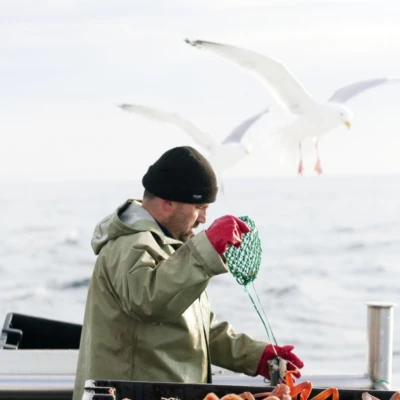
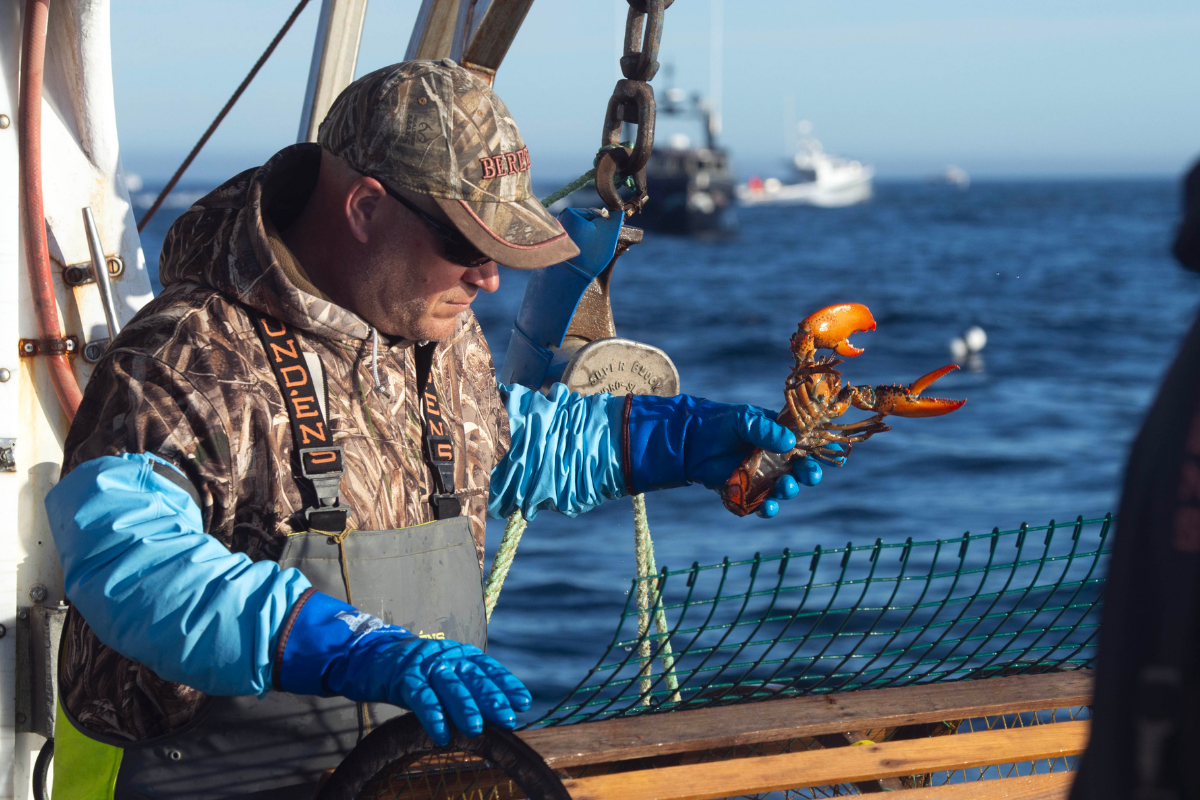
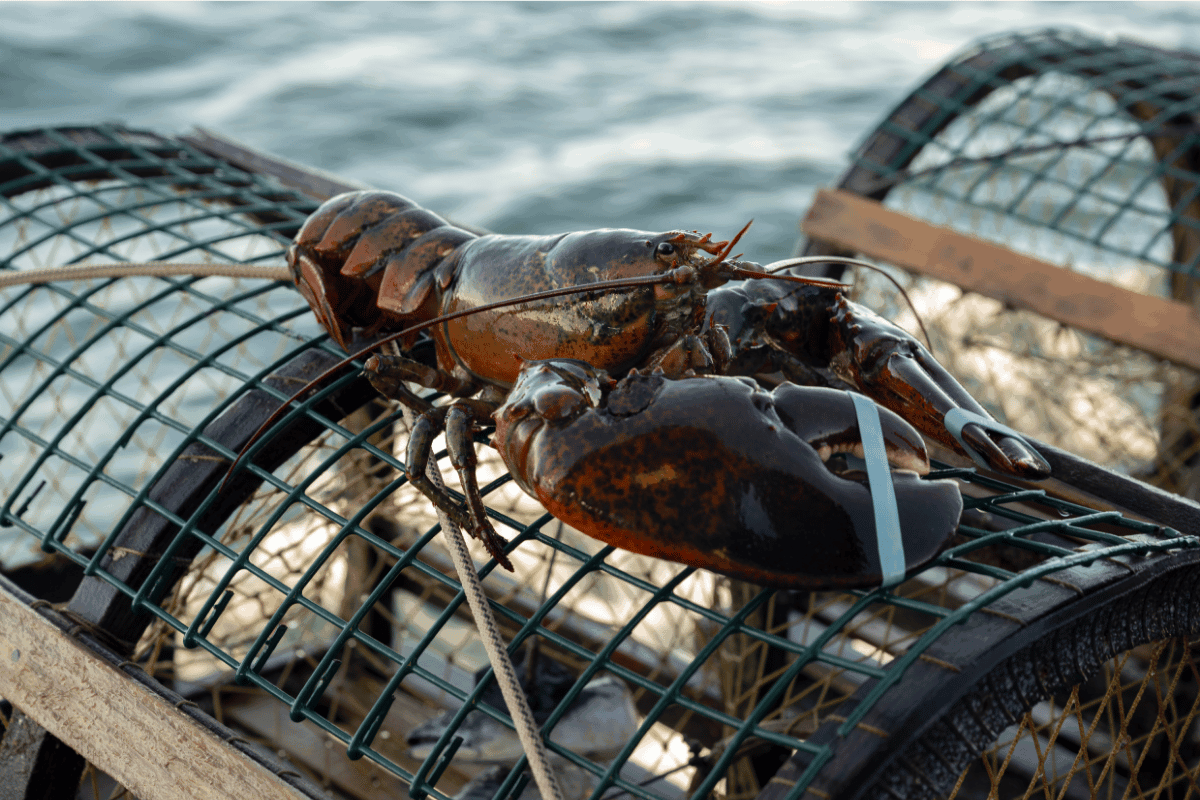
Every spring, as soon as the St. Lawrence shakes off its ice, the wharves of Gaspésie, the Magdalen Islands, and the North Shore come alive again. Boats head out before dawn, traps are lowered back into the water, and lobster lovers are already starting to salivate.
Because here, lobster isn't just a meal. It's a mini-season of its own, one where the bibs come out, the melted butter flows a little too generously, and big family tables take on the feel of a celebration.
A Short Season, but One We Deeply Look Forward To
Quebec lobster has something almost precious about it: it arrives quickly… and is gone almost as soon as it came.
Starting in May, the first catches land on the wharves and officially mark the start of summer's pleasures. It's a short season — generally running until mid-July — that many await like a true foodie ritual.
In the cold waters of the St. Lawrence, lobster develops firm, delicate flesh, prized for its generous texture and slightly sweet flavour.
Another advantage that's sometimes overlooked: its freshness. Caught near the coast and transported live, it can travel from boat to plate in very little time. It's hard to get more local than that.
Behind the Shell, a Real Homegrown Story
Choosing a Quebec lobster also means choosing a provenance and a know-how that's truly from here.
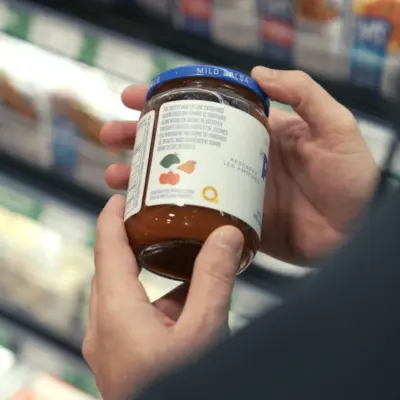
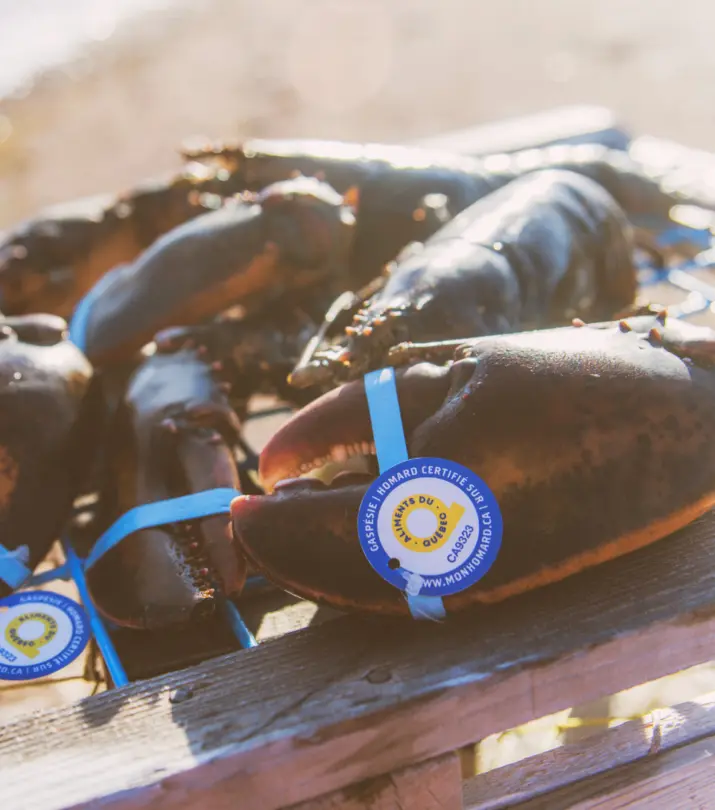
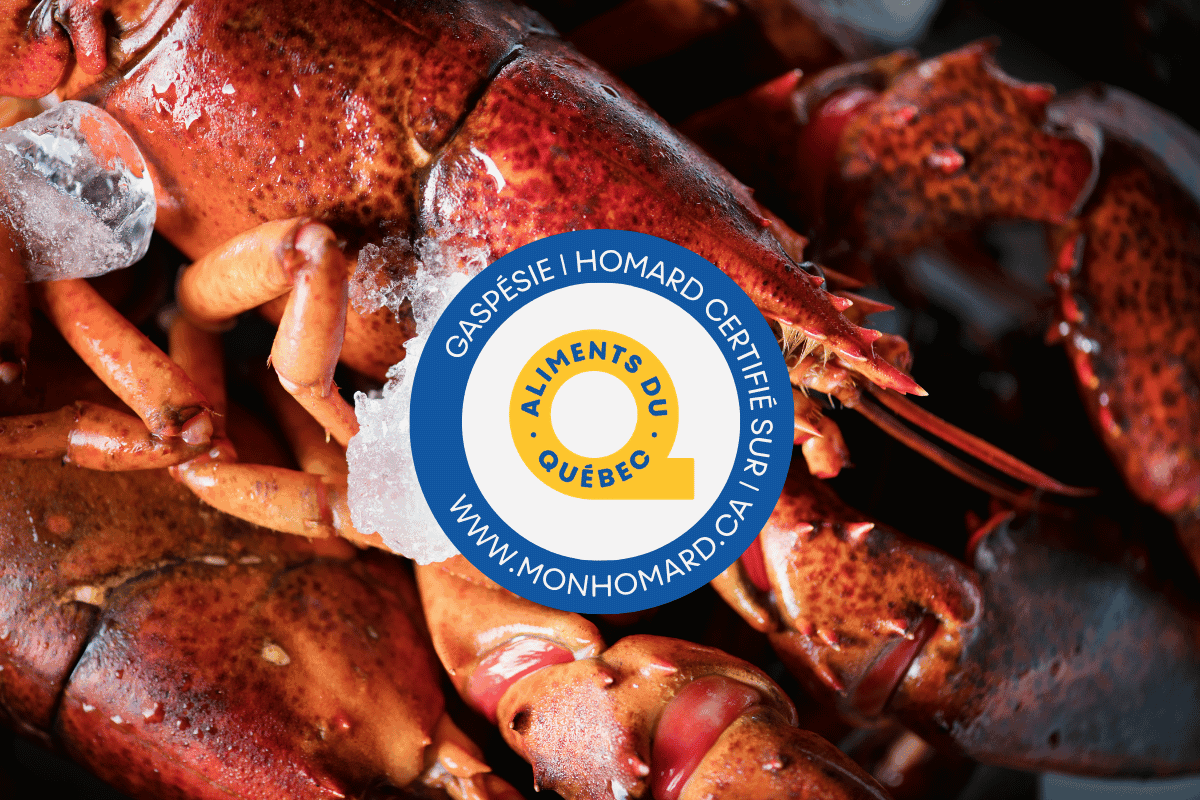
On many lobsters, a small blue Aliments du Québec medallion is attached directly to the shell. By entering the code at monhomard.ca, you can discover the boat, the captain, and the fishing zone associated with that specific catch.
It's a tangible way to reconnect with the people who live by the rhythm of the river and the sea — and to appreciate just how far your lobster has travelled before reaching your plate.
Picking One Like a Pro (or Close Enough)
Standing in front of the tank, you don't need to be an expert to spot a good lobster. A few simple habits will do.
A lively lobster that reacts when handled is generally a good sign. Its tail should also curl firmly under its body — a sign of vitality.
And contrary to what you might think, a nice hard shell is often a good thing, as it typically means more meat inside.
In Quebec, fishing regulations ensure the specimens are a respectable size. The result: meaty lobsters, often between 560 g and 900 g, perfect for a meal that's as satisfying as it is memorable.
The Moment of Truth: How to Cook It
This is probably one of the liveliest culinary debates of lobster season: steamed, boiled, or grilled? Everyone has their preferred method.
Steamed, the flesh stays tender and delicate. Boiled, the lobster delivers a more straightforward flavour. On the barbecue, it picks up a slightly smoky quality that completely changes the experience.
In every case, the secret is the same: don't overcook it. For a lobster of about 1¼ lb, roughly fifteen minutes is usually enough.
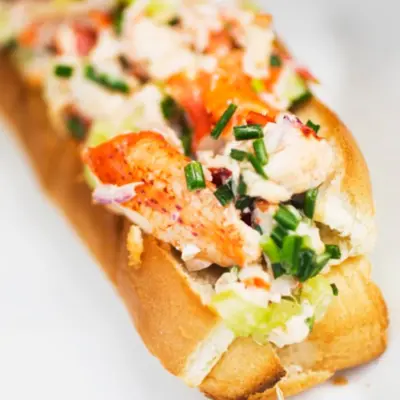
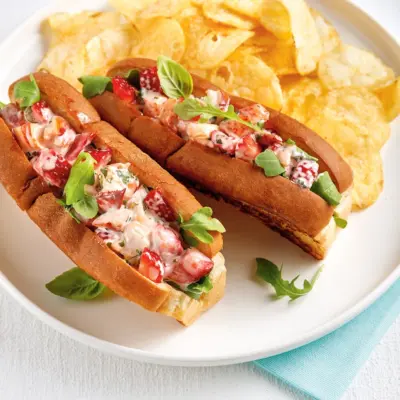
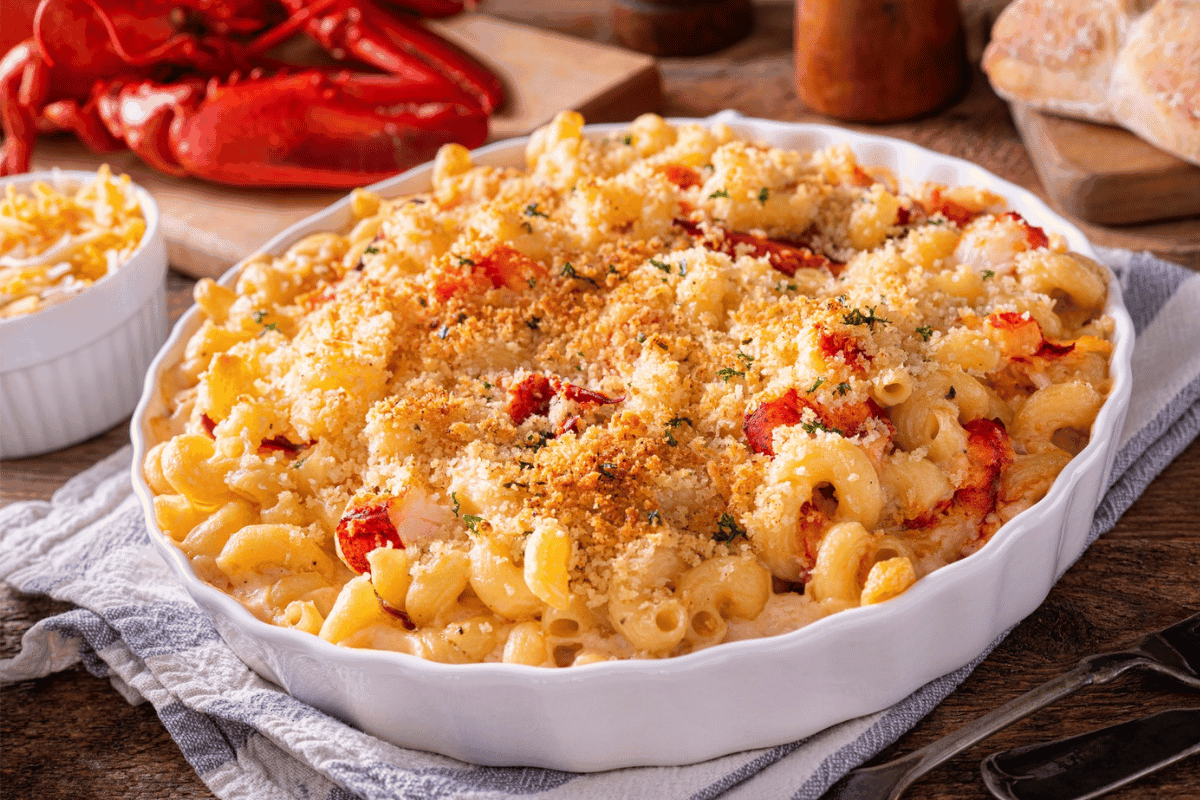
After that, anything goes — served simply with melted butter, tossed into pasta, tucked into a lobster roll, or added to a summer salad.
The Tomalley: That Detail That Raises Eyebrows
When you crack it open, you may notice a greenish substance called tomalley.
This is the lobster's liver and pancreas. Some people enjoy it for its stronger, more pronounced flavour, but it's generally recommended to eat it in moderation. As a precaution, it's best avoided by pregnant women and young children.
Quebec Lobster: Savour It While You Can
Quebec lobster tastes a little like the very beginning of summer.
It's the kind of meal that slows down an evening just enough to make room for good conversation, laughter, and unashamed messy fingers. You crack the claws, you dip in the butter… and you soak it all in while it lasts.
Because when you think about it, the real luxury might be exactly that: a local product, a shared table, and the simple pleasure of enjoying it during its brief season.
Happy lobster season!
Photo credit : Éric Labonté, ministère de l'Agriculture, des Pêcheries et de l'Alimentation (MAPAQ)