Published on May 21, 2026
Quebec aquaculture: a model for the future
From May 21 to 30, 2026, the Semaine des poissons et fruits de mer du Québec will take place, an initiative led by the ministère des Pêcheries, de l’Alimentation et de l’Agriculture du Québec (MAPAQ) in collaboration with Aliments du Québec to showcase local seafood and farmed species from Quebec. It is also a perfect opportunity to shine a light on a sector that remains relatively unknown to the general public: Quebec aquaculture.
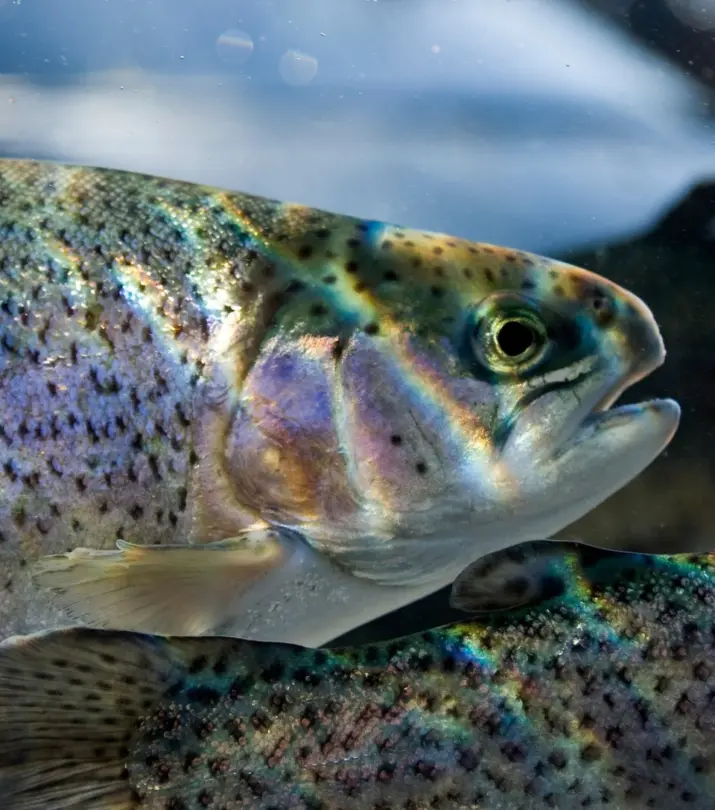
Among the species farmed in the province, salmonids play a major role. These include rainbow trout, brook trout (also known as speckled trout), and Arctic char. These cold-water fish are particularly well suited to Quebec’s climate and now represent a fresh, local, and sustainable alternative to imported fish.
How does aquaculture work?
In general, the main stages of fish farming are as follows:
- Egg incubation: Fertilized eggs are placed in incubators supplied with cool, well-oxygenated water.
- Hatching and fry stage: The small fish emerge carrying a yolk sac, which provides their first energy reserves.
- Growth in tanks: Once they begin feeding, the fry are transferred to tanks where they gradually grow into fingerlings, then young trout, and finally adult trout. The full process takes just over two years.


Throughout the rearing process, feed is carefully controlled, as is water management—both key elements in ensuring fish quality and the sustainability of aquaculture.
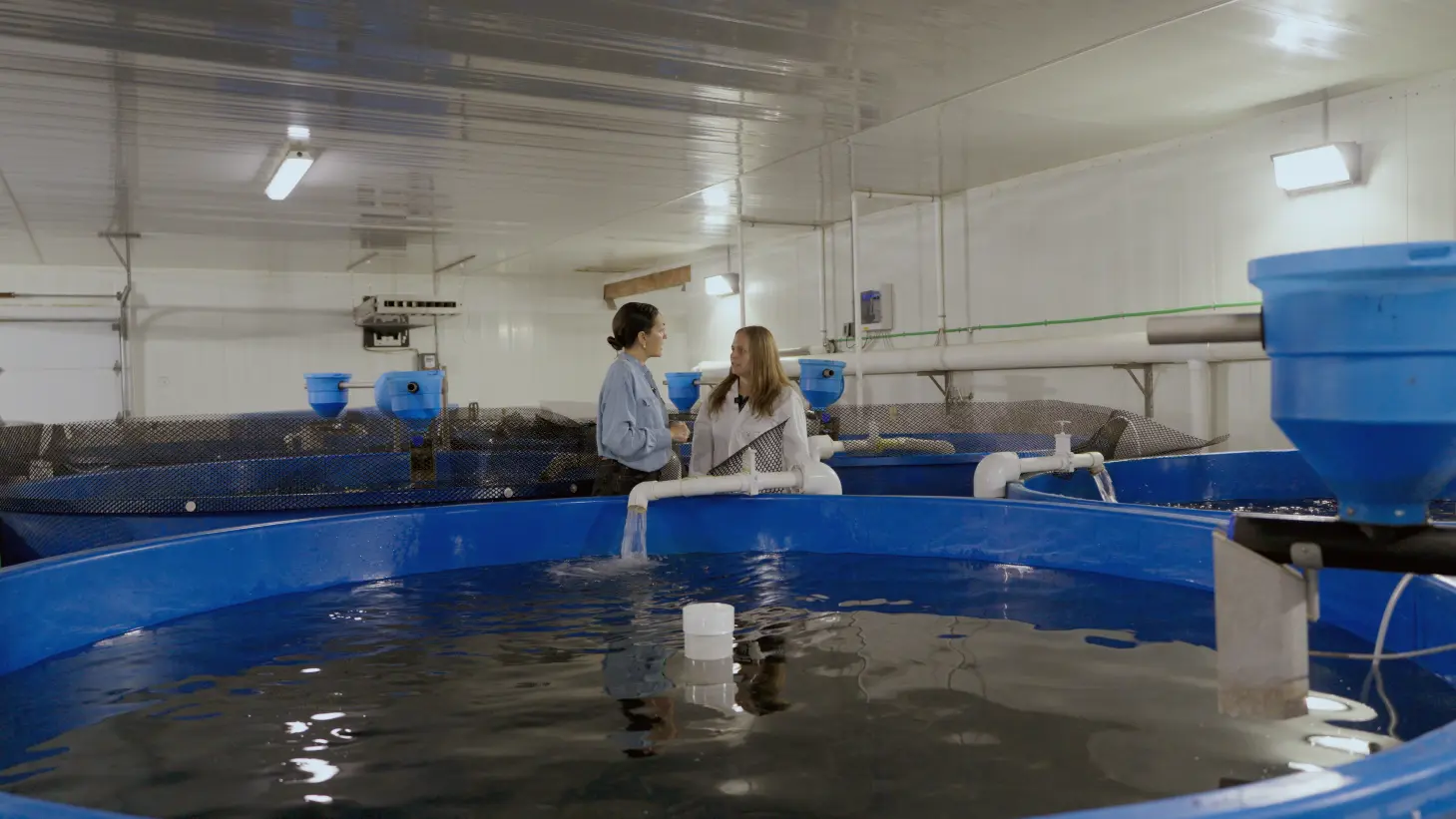
At Ferme piscicole des Bobines, located in East Hereford in the Estrie region, Operations Director Véronique Fontaine notes that every step of water filtration and recirculation is crucial to producing high-quality farmed fish.

Founded in 1975, this family-owned business is one of the pioneers of aquaculture in Québec. Today, it produces rainbow trout for restaurants, grocery stores, and even public institutions such as early childhood centres.
One of the most fascinating aspects of this production is the level of precision required at every stage. Salmonids are sensitive fish: water temperature, oxygen levels, and stocking density in the tanks must all be carefully balanced.

Sustainable fish farming
Today, most fish farms in Québec integrate practices aimed at reducing their environmental impact, in line with the requirements of sustainable aquaculture.
This includes the use of water filtration and recirculation systems that help limit water use and waste, as well as close monitoring of discharged water quality. It also involves providing optimized feed for fish to reduce losses and maintaining stocking densities that respect animal welfare. In addition, since aquaculture in Québec is primarily carried out in closed-loop, land-based tank systems, it eliminates the risk of farmed fish escaping into the natural environment and helps reduce the spread of disease to wild species. Finally, producing locally also helps reduce the carbon footprint associated with transporting fish.
Today, products from these farms can be found in a wide range of outlets: restaurants, fish markets, grocery stores, and public institutions such as early childhood centres.
For consumers, a simple way to identify local products is to look for the Aliments du Québec logo on packaging. This symbol guarantees that the food was produced within the province.

How to cook trout successfully?
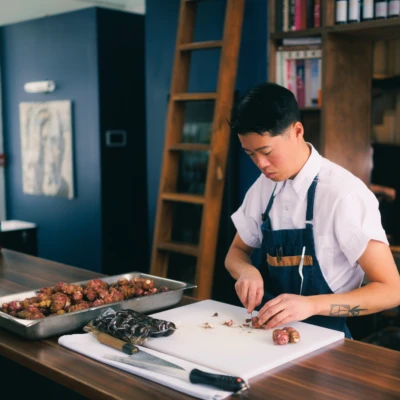
Delicate yet versatile, trout is easy to prepare for a weeknight meal or a more refined dish to impress guests. Karine Beauchamp, Executive Chef at the Institut de tourisme et d’hôtellerie du Québec (ITHQ) — a member of Aliments du Québec au menu — cooks almost exclusively with local fish and seafood, including seaweed and seal, as well as trout from Ferme piscicole des Bobines.
Her top tips for cooking it perfectly:
- Salt just before cooking to preserve texture;
- Place parchment paper in the bottom of the pan and add a little oil;
- Over medium-high heat, cook the trout skin-side down first for 2 to 3 minutes until crispy, then about 1 minute on the other side. The goal is to keep the flesh tender and slightly translucent.


During Québec’s Fish and Seafood Week, many restaurants and institutions across the province showcase dishes featuring local marine and farmed species. It is not uncommon to find rainbow trout from Ferme piscicole des Bobines among them.
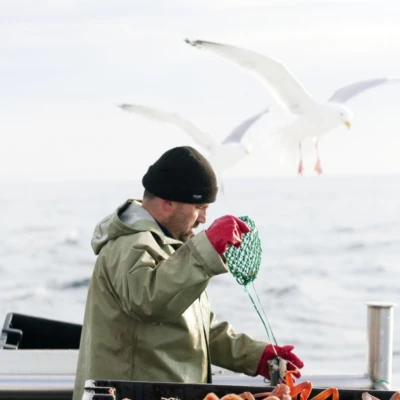
It’s a wonderful opportunity to rediscover the richness of Québec’s aquatic products, as well as to better understand the work of fishers and producers who raise them with care.
Enjoy your meal!
Article written by Catherine Lefebvre