Published on July 3, 2026
Wild Blueberries and Highbush Blueberries: How to Tell Them Apart and Enjoy Them
When the summer sun begins to shine across Québec, local growers bring back one of the season’s most beloved little blue fruits: the blueberry. Sweet, delicate and bursting with flavour, it has become a true symbol of Québec’s culinary heritage.
Yet behind this familiar berry lies a reality that many people don't know. We often assume there is only one kind of blueberry, but in Québec, two distinct families fill our markets and pick-your-own farms: wild blueberries and highbush blueberries.
Let's get to know them a little better, and more importantly, discover the best ways to enjoy them.
Wild or Highbush: Discover What Sets Them Apart
Small berries, big differences: wild blueberries and highbush blueberries each have their own unique personality.
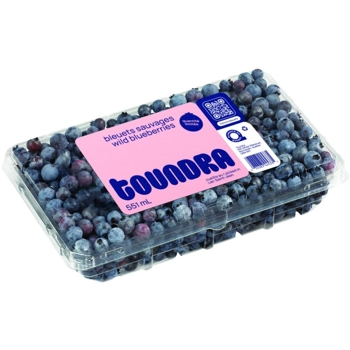
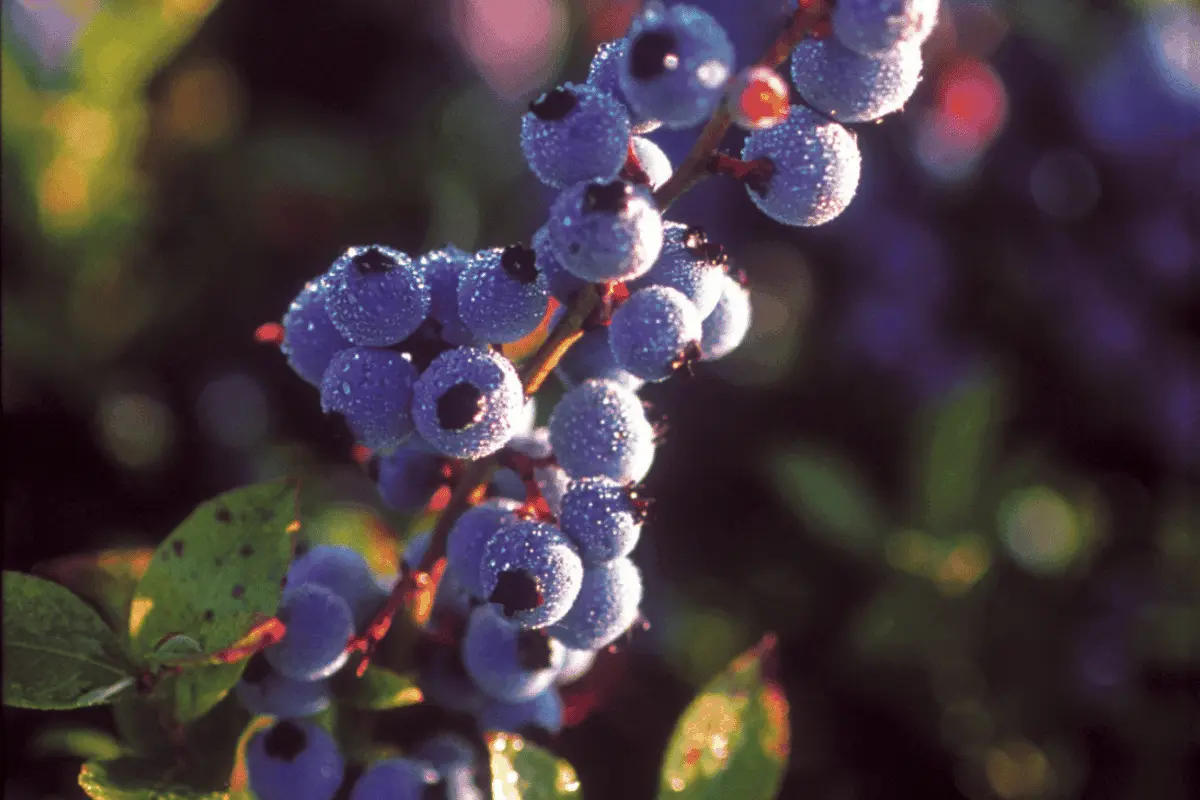
Wild blueberries are smaller, darker and more intensely flavoured. They are primarily harvested using traditional methods.
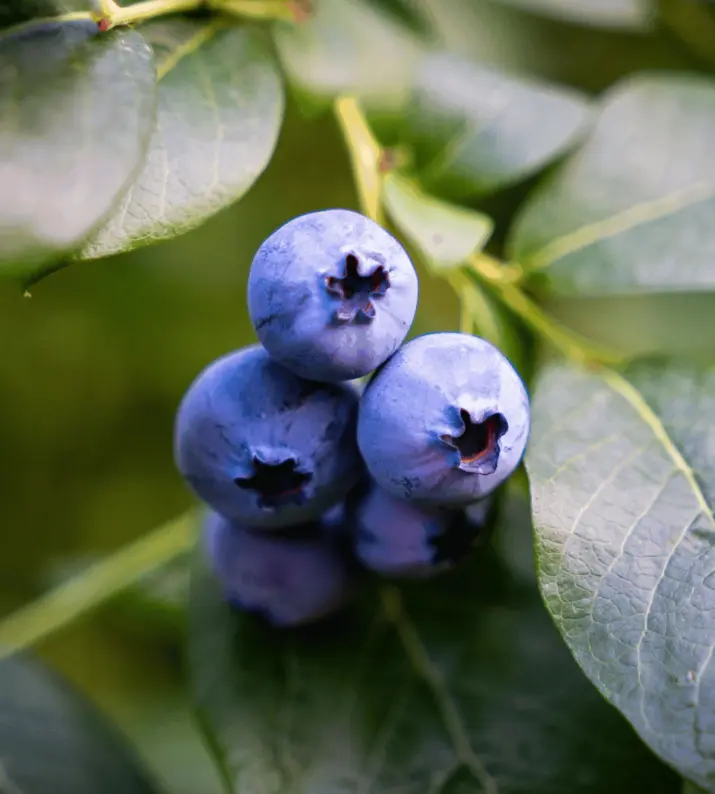
Highbush blueberries, also known as giant blueberries, are larger and milder in flavour. Grown on shrubs that can reach up to 2 metres (6.5 feet) tall, they are appreciated for their juiciness and easy harvesting.
But that's only the beginning. To truly tell them apart, it helps to know where they come from, how to recognize them at first glance and how to make the most of them in the kitchen.
Where Do They Come From?
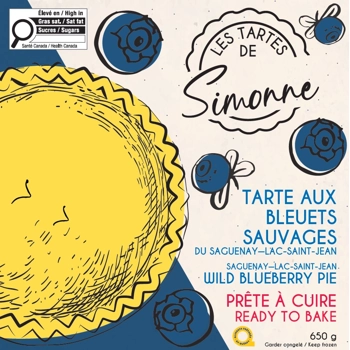
Deeply rooted in Québec's landscape, the wild blueberry has become an enduring symbol of the Saguenay–Lac-Saint-Jean region. This close connection is partly the result of the Great Fire of 1870, which enriched the region's soils with minerals and organic matter, creating ideal growing conditions.
Highbush blueberries, on the other hand, come from modern fruit farming. They are cultivated in several regions across Québec in specialized blueberry farms that ensure consistent and reliable production.
How Can You Tell Them Apart?
Whether you're shopping at a farmers' market or your local grocery store, it's easy to distinguish between the two.
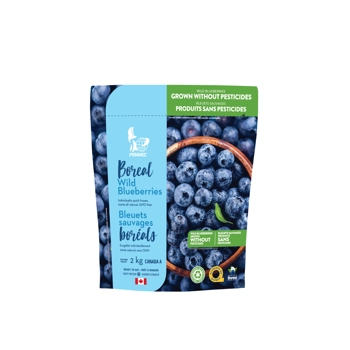
Wild blueberries are smaller and darker, and are most commonly sold in bulk or frozen.
Highbush blueberries are three to five times larger and are typically sold fresh in clamshell containers.
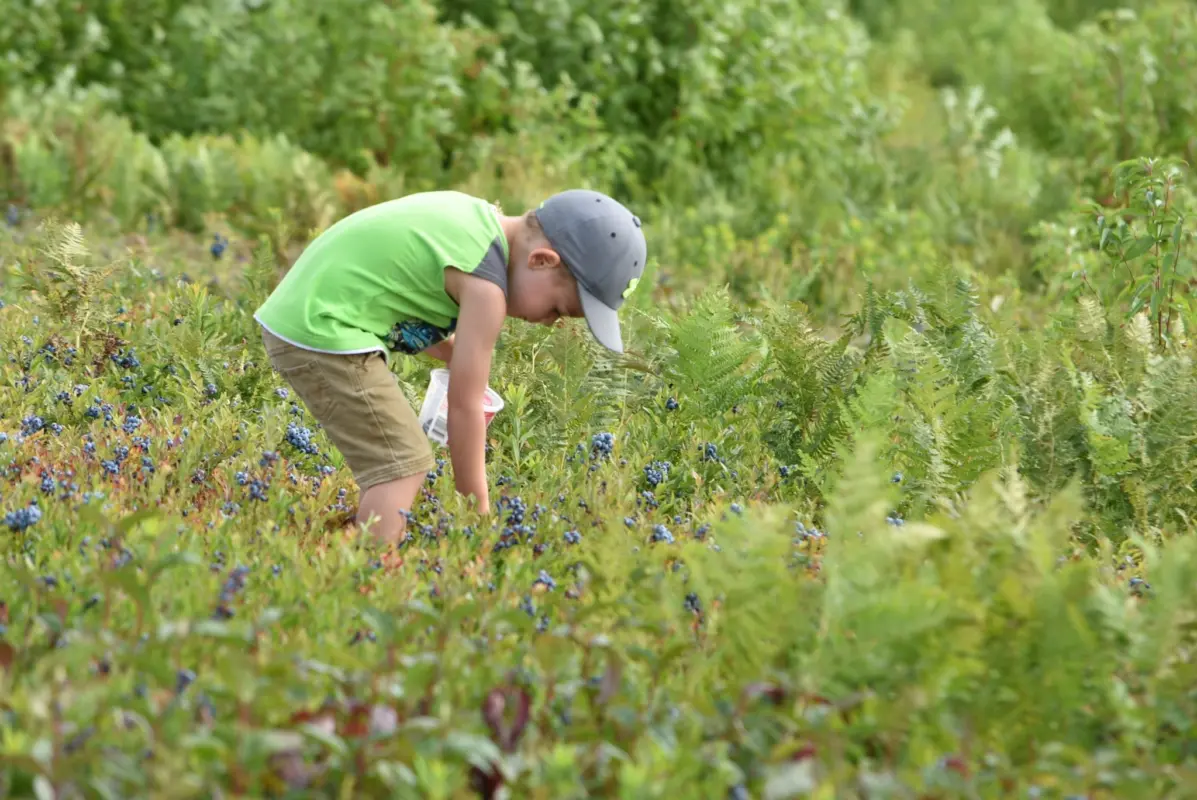
If you visit a pick-your-own farm, the difference is even more obvious. Highbush blueberries grow on shrubs standing 1.5 to 2 metres (5 to 6.5 feet) tall, while wild blueberries grow close to the ground, covering the landscape like a natural carpet. Two very different ways of growing—but equally enjoyable to pick and eat!
Do They Serve the Same Purpose in the Kitchen?
Wild and highbush blueberries can be used in many of the same recipes, but each offers its own culinary advantages.
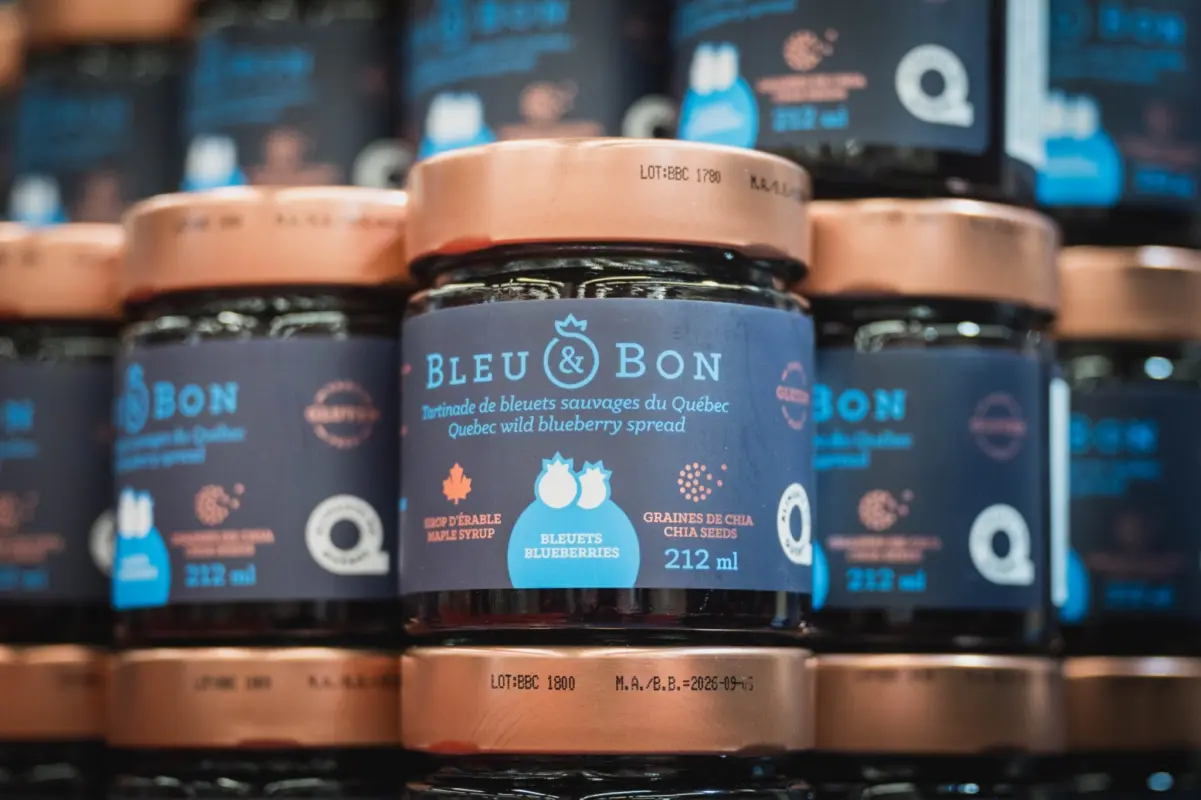
Naturally more flavourful, wild blueberries are ideal for muffins, pies and jams, where a more intense blueberry taste is desired.
Highbush blueberries, with their milder flavour, are perfect for eating fresh in fruit salads, yogurt or as a quick snack.
To enjoy both types of blueberries all year long, they freeze beautifully. However, avoid washing them before freezing so you don't remove the natural waxy coating that helps protect the fruit.
Simply spread them out on a baking sheet and freeze them for two to three hours before transferring them to an airtight freezer bag. They'll keep for up to 12 months.
Are They Equally Nutritious?
Good news: both types of blueberries offer very similar nutritional benefits.
They are excellent sources of antioxidants, fibre and essential vitamins. The main differences lie in their flavour intensity and texture rather than their nutritional value.
Where Can You Find Them?
Both wild and highbush blueberries are widely available throughout Québec during the summer. Peak season generally runs from late July through early August, the perfect time to enjoy them at their freshest.
You can find them:
- at pick-your-own blueberry farms;
- at public markets;
- directly from local growers;
- or at grocery stores and retailers displaying the Aliments du Québec logo.
Outside the growing season, frozen blueberries are an easy way to keep enjoying them, even during the coldest months of the year.
To find a blueberry farm near you, consult the directories of Bleuet corymbe Québec and Bleuets du Québec.
Small Berries, Big Benefits
Wild blueberries and highbush blueberries each bring their own unique flavour, texture and character. But one thing is certain: no matter the occasion, both are sure to bring a taste of summer to your table.
We love these little blue gems for their sweet, slightly tangy flavour, their incredible versatility in the kitchen, or simply for enjoying them straight from the basket. Above all, Québec blueberries stand out for their remarkable nutritional value. Rich in antioxidants, they are an excellent source of fibre, vitamin C, riboflavin and manganese.
It's this perfect balance of nutrition and delicious flavour that makes blueberries a true summertime favourite in Québec, whether enjoyed as an on-the-go snack or featured in more elaborate recipes.
References