Published on August 21, 2026
What Does a Local Food Product Really Mean?
When we choose a local product in Quebec, what exactly are we looking to support? The ingredients grown here? The company that created it? The people who make it? The facility where it is processed? The suppliers who contribute to its production?
The answer is: a little bit of all of these.
Behind every food product is a value chain that can be much more complex than we realize. To truly understand what makes a product local, we need to look at where it is processed, who contributes to making it, and what economic benefits it generates in Quebec.
What does “local” really mean?
There is no single way to define local purchasing. For some people, the word first brings to mind something from their city or region. For others, it means something produced in Quebec. For others still, buying local can even mean buying Canadian.
Research on the subject also shows that consumers themselves move between different geographic scales when defining local food: immediate proximity, the region and the province all appear among the answers.¹
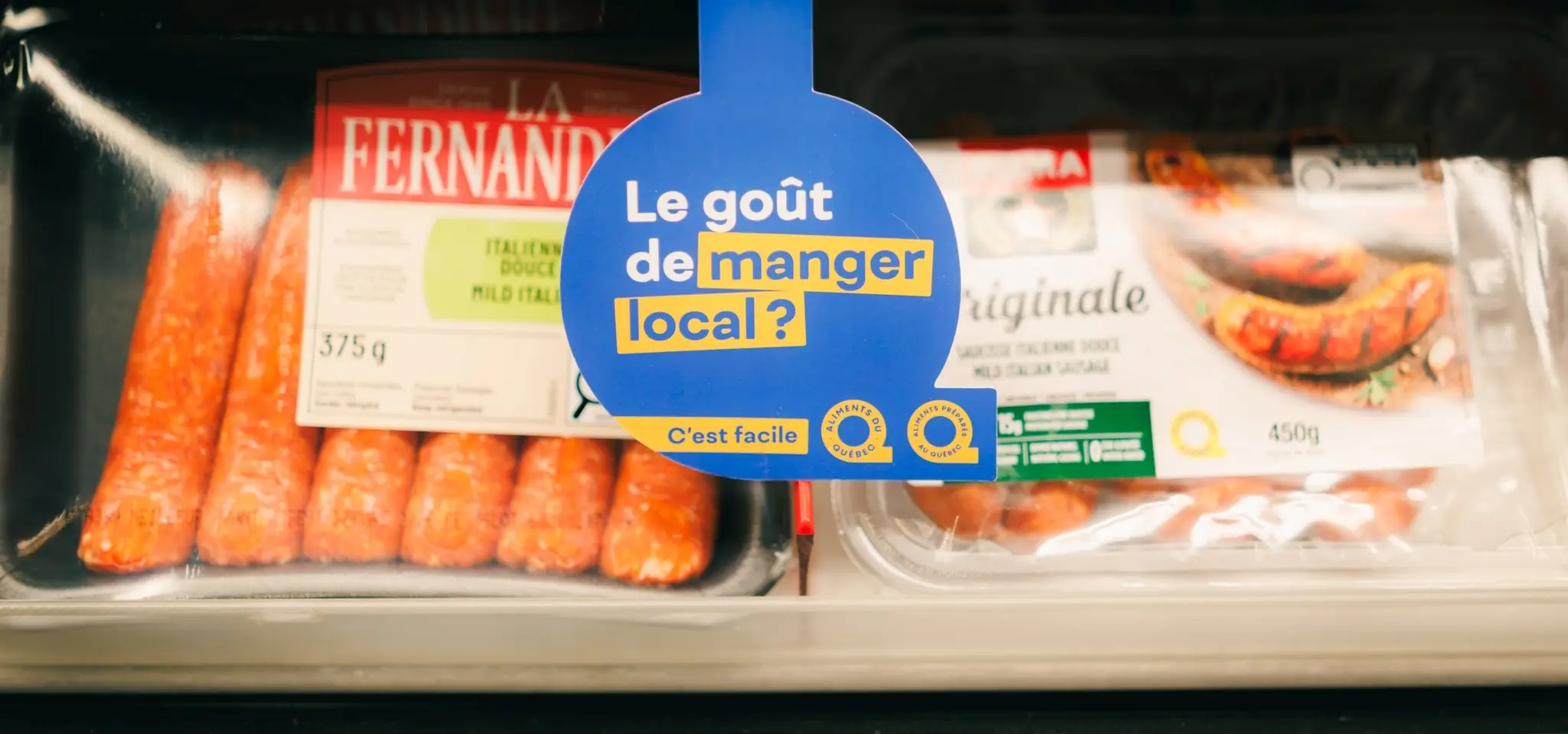
In the food sector, Aliments du Québec has chosen to give this concept a precise and verifiable framework: Quebec as the territory of reference, and the product as the object of certification. This allows consumers to know exactly what the yellow logo means when they see it on a package.
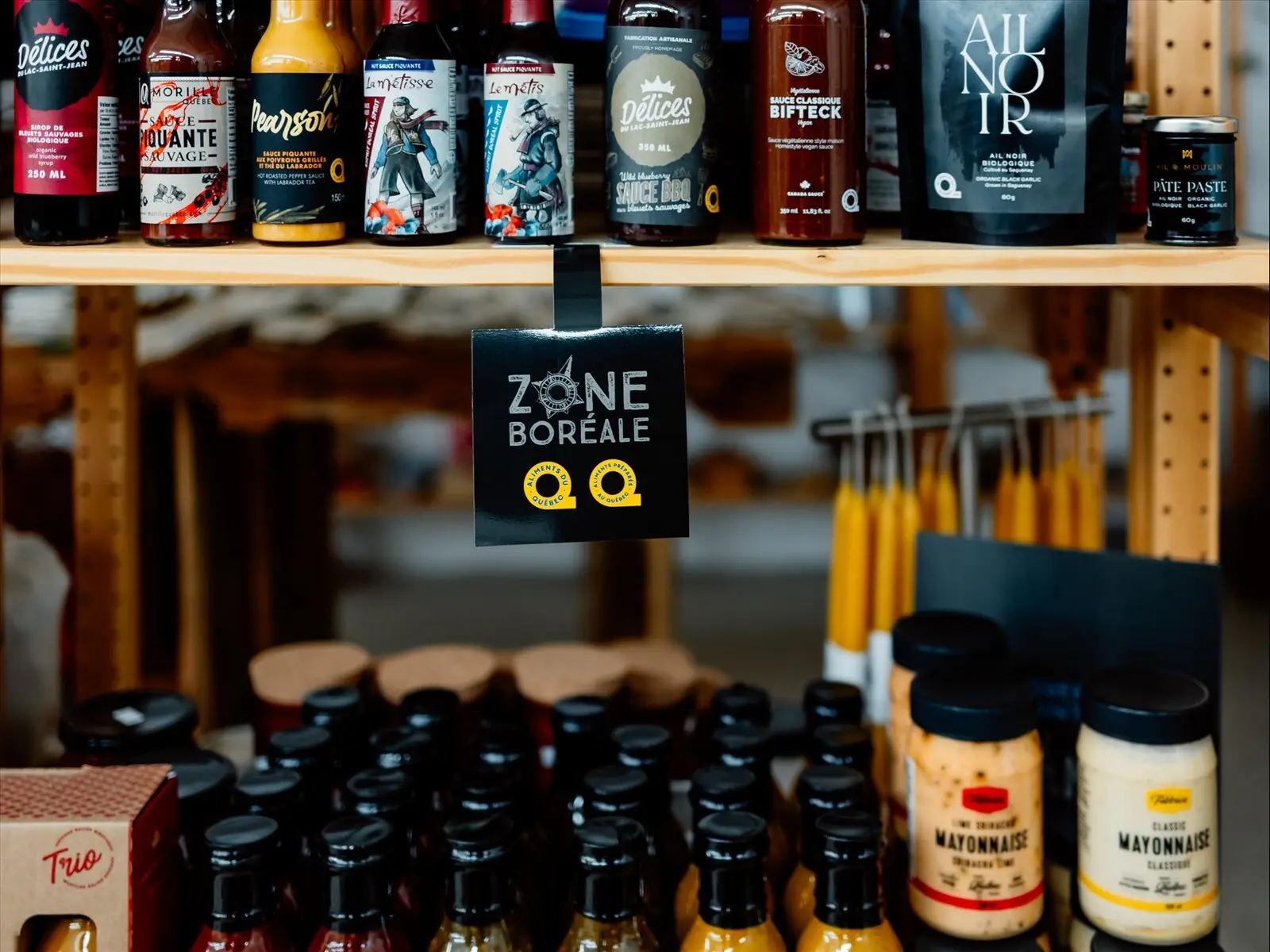
What if you want to shop even closer to home? Regional identifiers can provide an additional layer of information. Across Quebec, biofood consultation tables and their partner organizations promote regional brands that help consumers identify products from their area, such as Gaspésie Gourmande, Saveurs des Cantons de l’Est, Zone Boréale and many others. In fact, many products carry both the Aliments du Québec yellow logo and a regional identifier, providing two levels of identification in one.
The goal is not to decide that one definition of local is better than another. It is about knowing what you want to support and having clear, reliable markers to help you do so.
A local food product: it can be verified
Since 1996, Aliments du Québec has been committed to promoting and increasing recognition of local products and, through them, contributing to the development of Quebec's food industry and economy.
Behind the yellow logo, there is more than a claim: there is a rigorous verification process. Each product is assessed individually, with supporting documentation, as is the eligibility of the company that makes it. This approach, unique in Canada, distinguishes our certification marks from simple claims of origin that can appear on packaging. Our verification process is also ISO 9001:2015 certified.
Behind a product, an entire economy
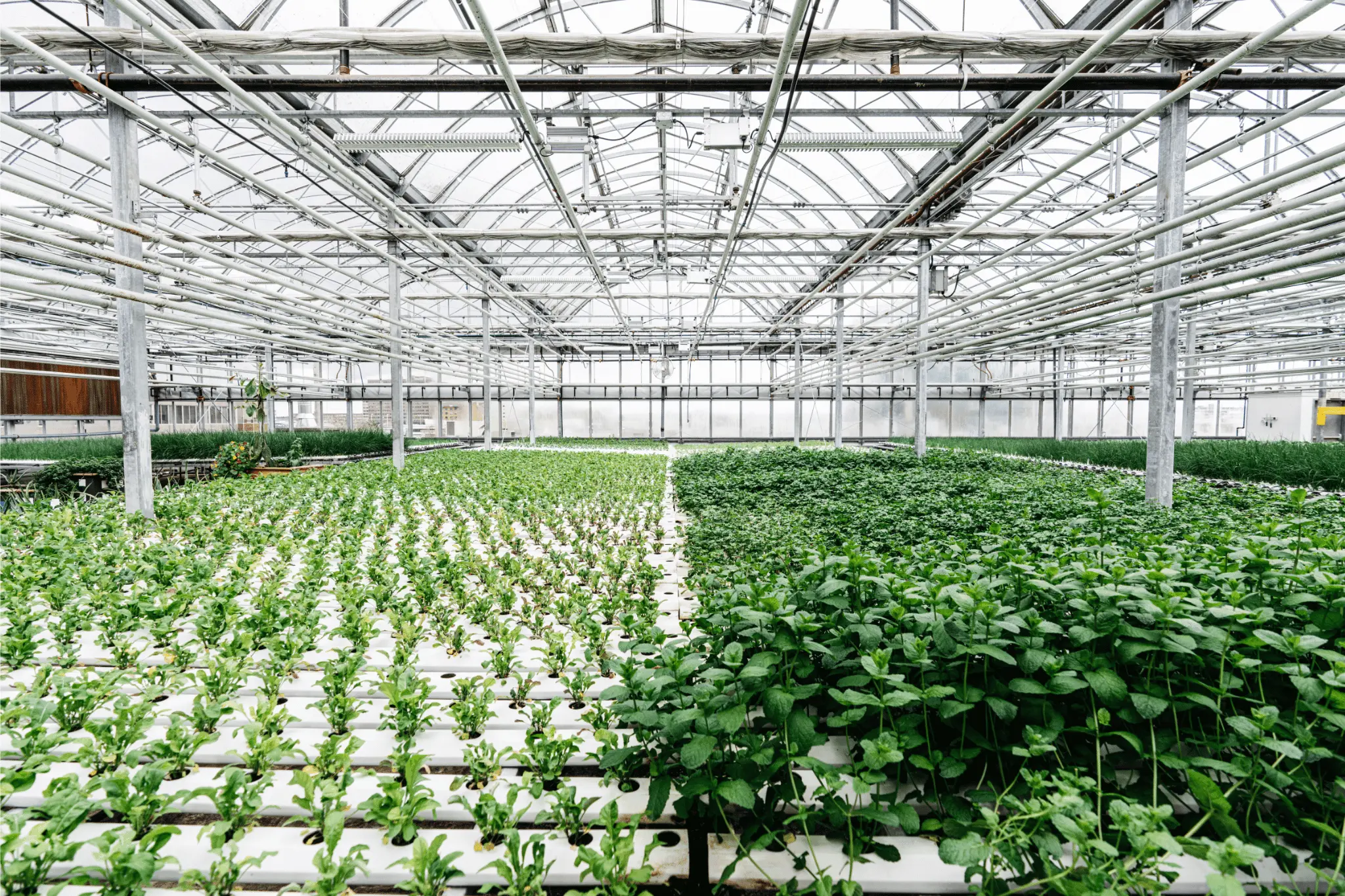
A food product made here supports more than just the company whose name appears on the package. From the farm to the processing facility and then to store shelves, every product is part of a much broader chain. Together, agriculture, fishing and food processing account for 3.2% of Quebec's real GDP and nearly 530,000 jobs.²
Behind these figures is everything a product sets in motion before it reaches our shopping cart. Beyond direct employment, companies with production facilities in Quebec support an entire value chain: producers and ingredient suppliers, packaging manufacturers, printers, carriers, distributors, maintenance and equipment companies, professional services and many others. A product made here can therefore support many more people than we might think.
And this ecosystem is largely driven by small businesses. At Aliments du Québec, 80% of our member businesses have fewer than 25 employees. Businesses of all sizes, located throughout the province and active in a wide range of sectors, all contribute to an economy that takes root here.
And between the farm and our shopping cart, there is processing
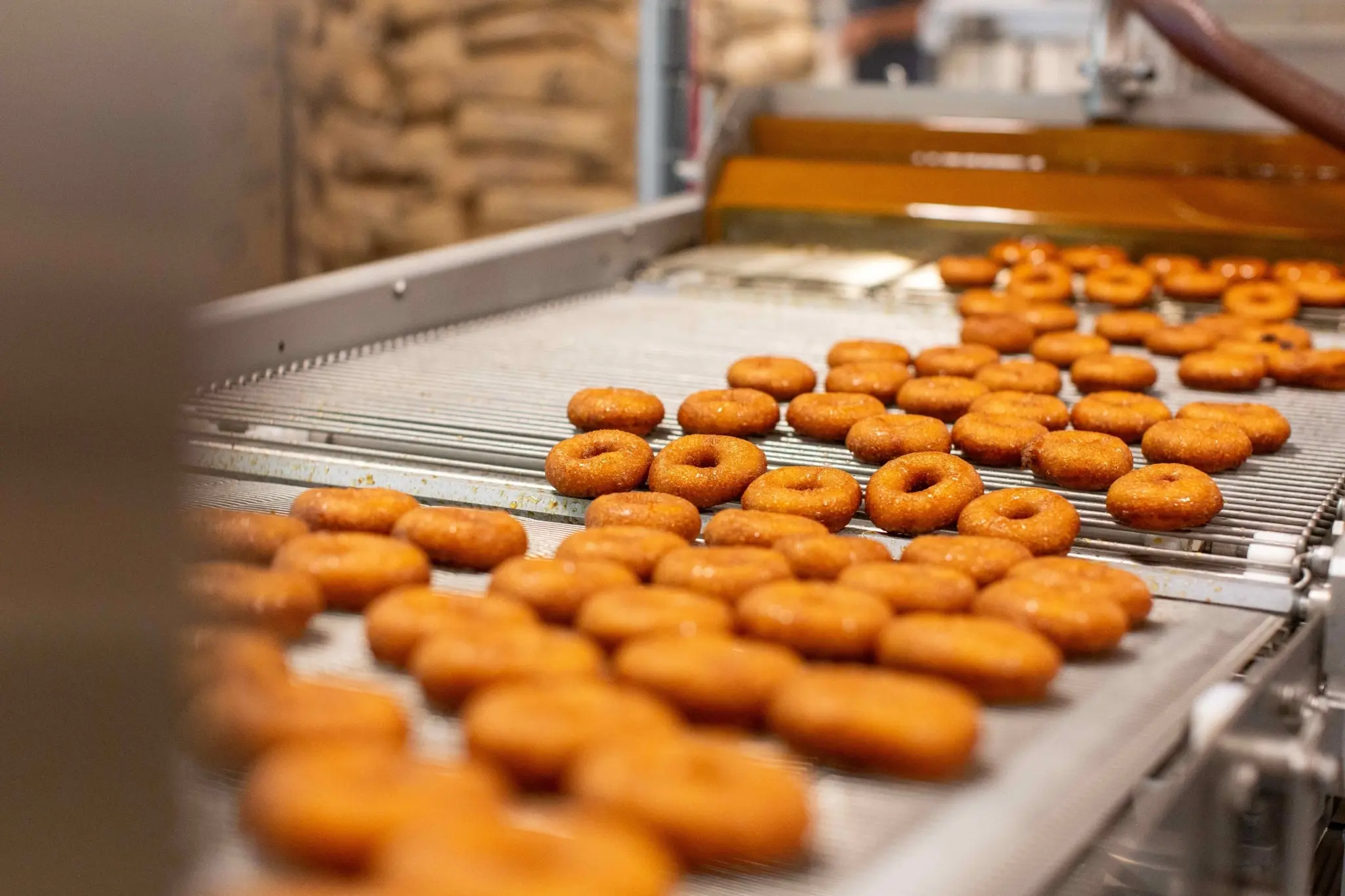
A Quebec without food processing? Imagine our shopping carts without bread or baked goods, cheese, sauces, beverages, chips, chocolate and confectionery, roasted coffee or prepared meals. In short, a large part of what we eat passes through the hands of a food processor at some point.
When that step takes place in Quebec, it also creates value here. Raw materials become products, recipes come to life, equipment is put to work and employees contribute their expertise. In 2024, food processing alone accounted for 74,775 jobs in Quebec.²
Choosing food processed here therefore also means choosing to keep this step, and all the economic activity it generates, in Quebec.
Two marks, two realities of local production
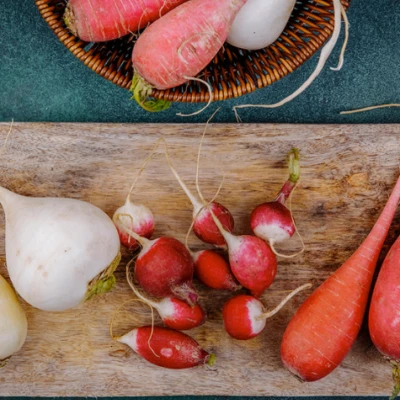
A bag of carrots grown in Quebec and coffee roasted in Quebec do not tell exactly the same story. But both can create value here. That is why our two marks provide different points of reference.
The Aliments du Québec logo identifies products that are entirely Quebec-made or contain at least 85% Quebec-origin ingredients, including their main ingredients. They must also be processed and packaged in Quebec.
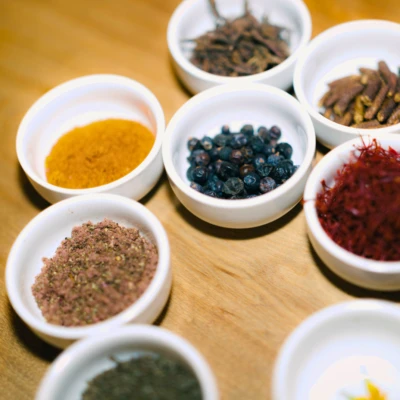
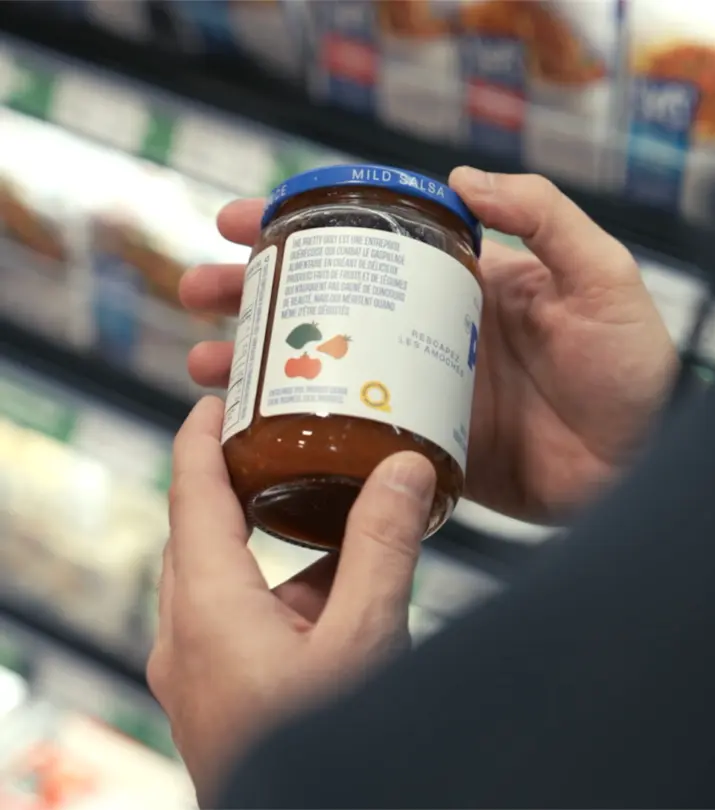
The Aliments préparés au Québec logo identifies another reality: foods that are processed and packaged here, even when some of their ingredients come from elsewhere. Think of coffee, cocoa or spices. It is difficult to grow them in our climate! Yet imported raw coffee beans can be roasted, ground and packaged here by local workers, at a company that invests and generates economic activity in Quebec. The same applies to a sauce, beverage or prepared meal that contains some ingredients from outside the province but is processed locally.
And Aliments préparés au Québec does not necessarily mean that Quebec ingredients are left out. When a main ingredient is available in Quebec in sufficient quantities, it must come from here. That is the whole idea: prioritize local ingredients when they are available, while recognizing the value of products that are genuinely made here. So if you see a maple muffin or maple ice cream carrying the Aliments préparés au Québec logo, rest assured that we have verified that the maple syrup comes from Quebec!
Many ways to choose local
Buying local is therefore not a reality that can be reduced to a single address.
You may want to prioritize a Quebec-owned company. You may look for ingredients grown, raised or harvested here. You may want to support food processing and manufacturing jobs in Quebec. You may choose to shop even closer to home by looking for regional identifiers. And very often, a single product allows you to do several of these things at once.
These choices are not mutually exclusive. They simply represent different ways of contributing to the local economy. Within this ecosystem, Aliments du Québec has a specific role: to provide a trusted point of reference for identifying products that are genuinely produced and prepared here.
Because behind every local product, there is much more than what goes into our shopping cart. There is an entire economy that every purchase helps keep moving in Quebec.
Sources:
¹ Équiterre, “Manger chez soi”; CIRANO, study on territorial brands.
² Ministère de l’Agriculture, des Pêcheries et de l’Alimentation du Québec (MAPAQ), Economic Data on the Quebec Biofood Industry and BioClips, 2024-2025.