Published on November 26, 2026
Truffes Québec: The Pioneers of a New Agricultural Industry
When we think of truffles, our minds immediately turn to fine French restaurants, Italian markets, and the famous black diamonds of the Périgord. Certainly not to the forests of Quebec!
And yet, right beneath our feet lies a true gastronomic treasure. Certain species of truffles have been growing naturally in our region since time immemorial, without us ever truly realizing their potential.
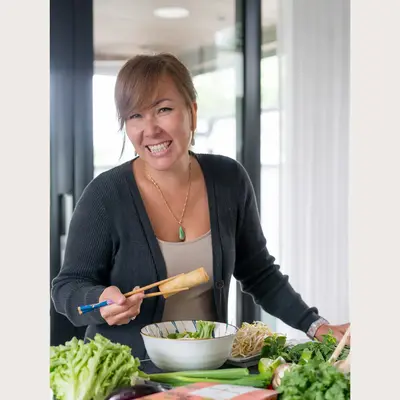
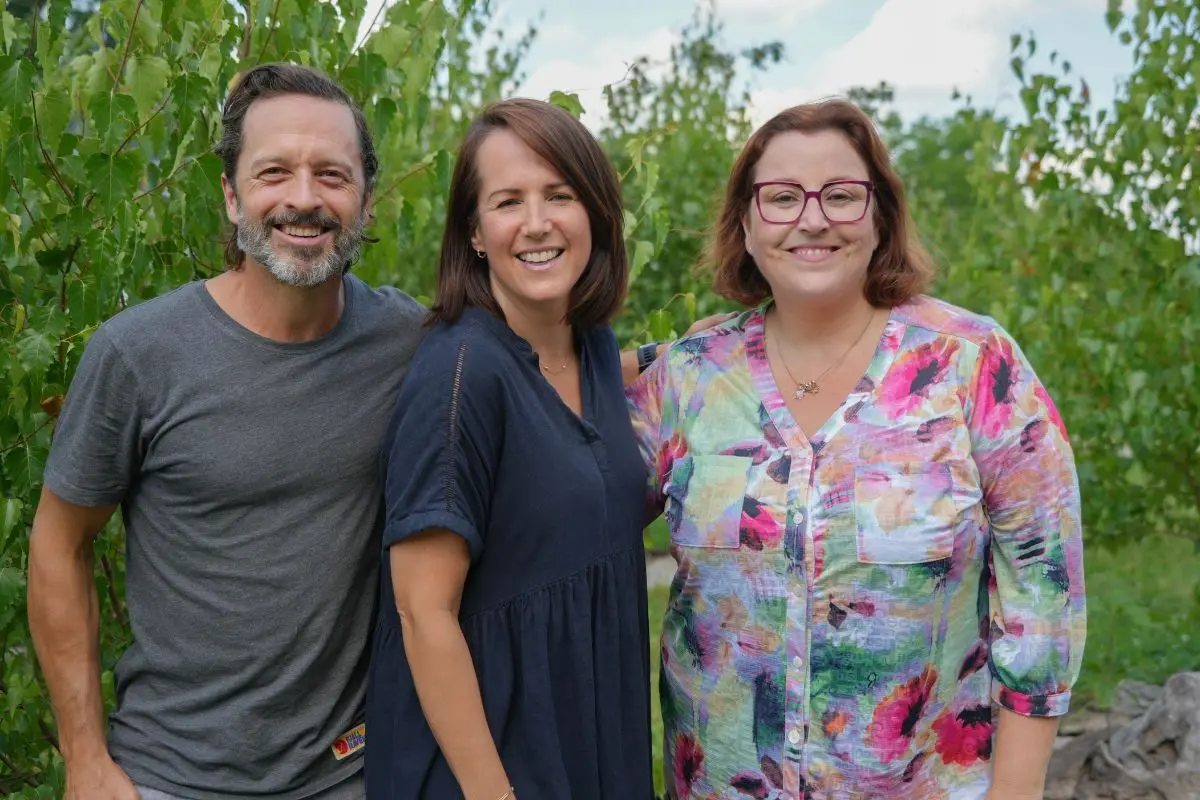
With Truffes Québec, Maude Lemire-Comeau and Jérôme Quirion have set themselves an ambitious mission: to turn this unsuspected wealth into a new source of pride for Quebec. Beyond their own farms, they’re advancing scientific knowledge, producing truffle trees, passing on their expertise to new growers, and working with chefs to build an entire agricultural and culinary industry.
It all started with a risotto recipe…
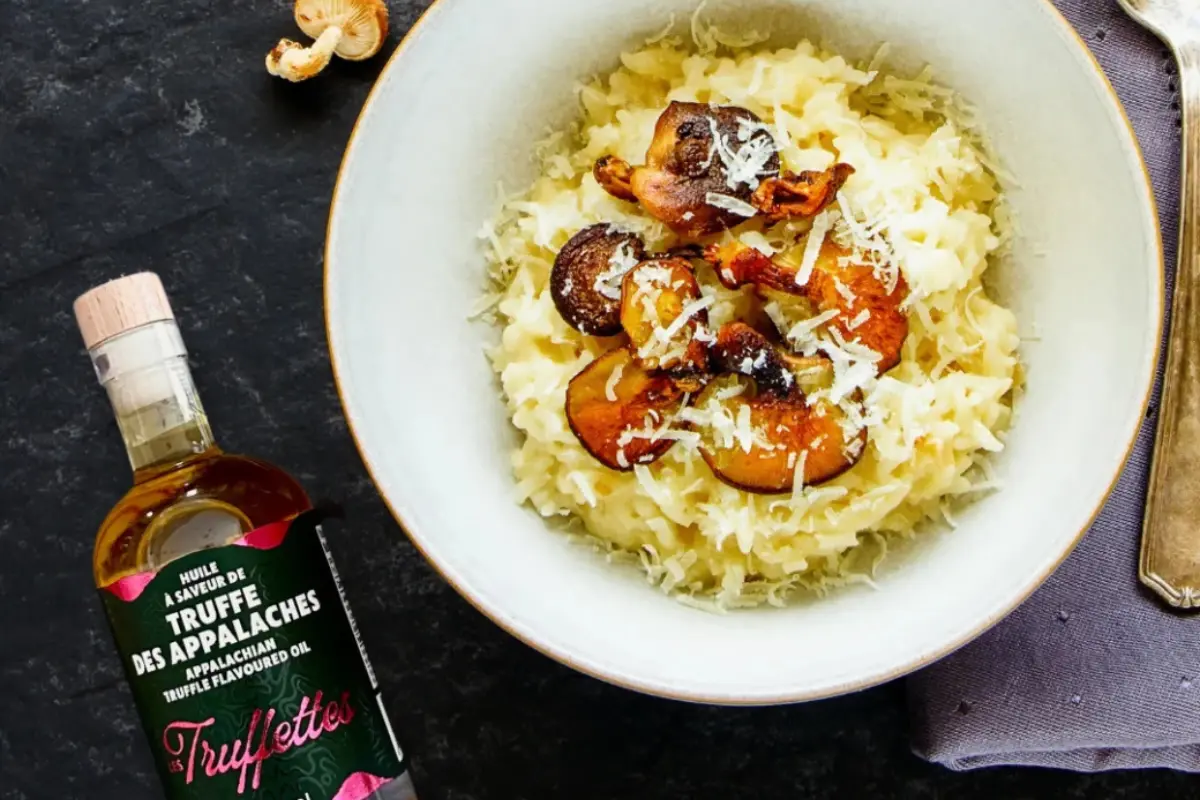
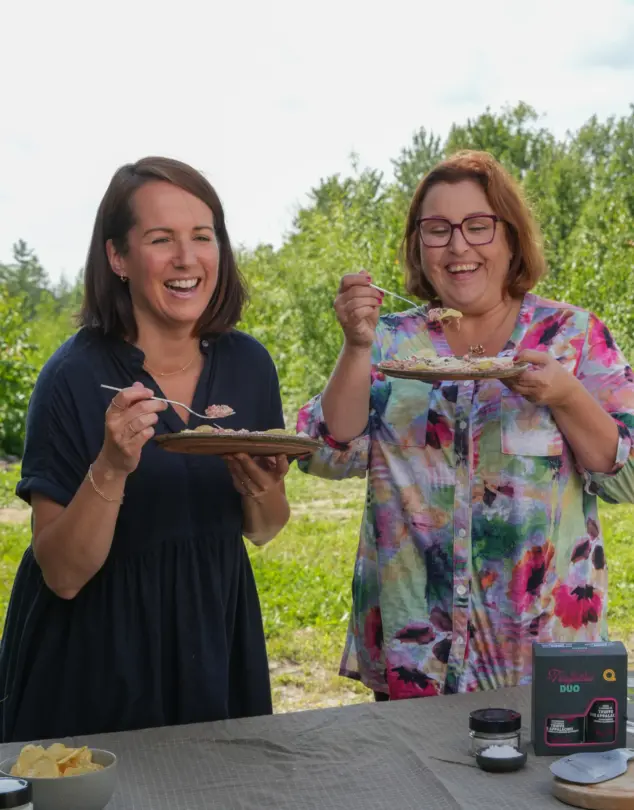
Photo credit : Truffes Québec
A few years ago, Maude was simply looking for a truffle risotto recipe on social media. As she searched, she came across the work of Jérôme Quirion, a biologist trying to grow truffles in Quebec. Intrigued, she picked up her phone. The conversation lasted nearly three hours. Needless to say, the risotto was quickly forgotten!
A biologist by training, Maude was working in the biopharmaceutical industry at the time and was approaching her forties. She felt the need to embark on a personal project, one that would ultimately take on a whole new scope. She brought her partner and brother along on the adventure, traveled to Italy to learn about truffle cultivation methods, and returned with a firm conviction: she, too, would grow truffles in Quebec.
In 2020, the family planted 1,700 truffle trees in the Centre-du-Québec region. Named Les Rabassaires, this plantation became the first truffle farm established by a Truffes Québec client.
Maude viewed this project as a long-term investment, a way to keep herself busy before retirement. After all, she was told it might take about ten years before she could harvest her first truffles.
But her passion quickly took over. From being Truffes Québec’s first customer, she became a co-owner of the company. Jérôme brings his scientific and technical expertise, while Maude contributes her interest in business development and engaging producers. Together, they now share a much greater ambition: to build a thriving truffle industry in Quebec.
Nearly 2,000 trees and seven years of research!
The history of the Quebec truffle dates back well before Maude and Jérôme met. In the 1980s, Francesca Marzitelli, a wild mushroom enthusiast,
discovered a native species in our forests with remarkable culinary potential: what is now known as the Appalachian truffle.
But there’s a world of difference between discovering a mushroom in the wild and successfully cultivating it!
It was this challenge that captivated Jérôme Quirion, then a student of soil microbiology. Convinced of the culinary potential of native truffles, he decided to devote himself to cultivating them. With the help of Francesca, who provided him with wild specimens, he began his research and, starting in 2010, planted nearly 2,000 walnut trees to conduct his experiments.
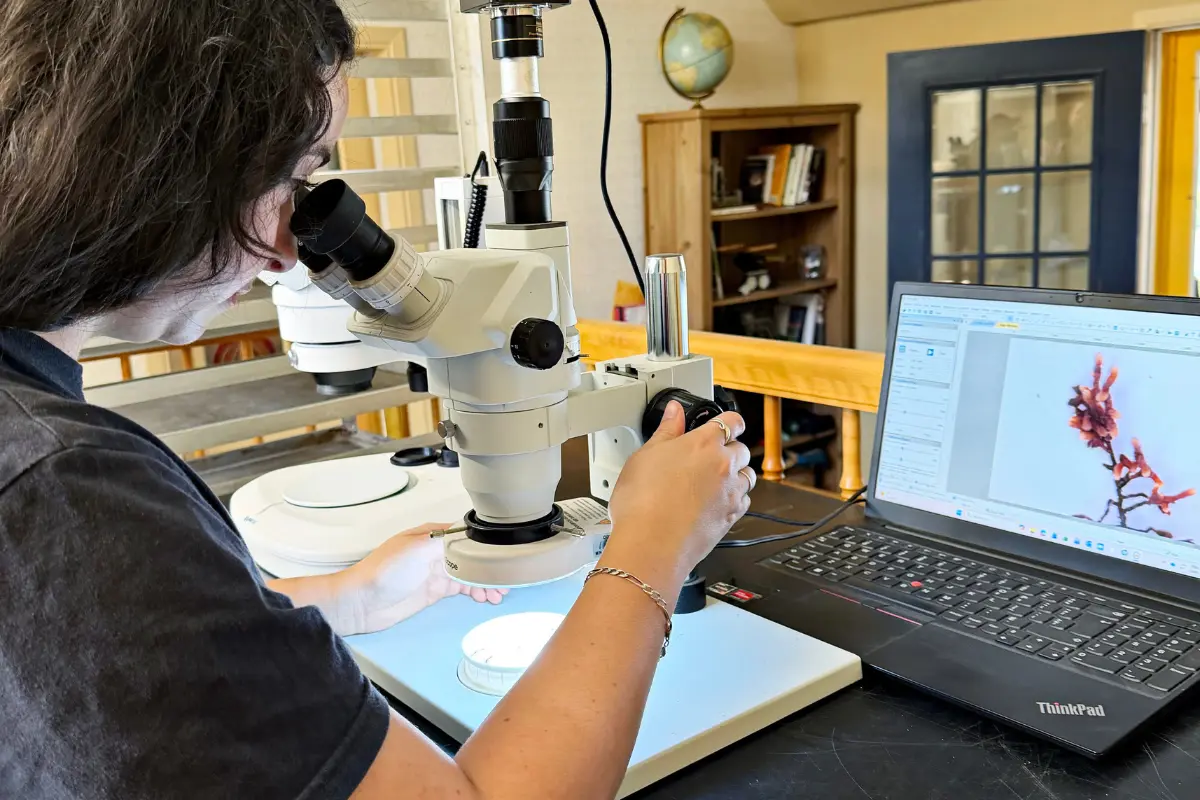
For while Europeans have been cultivating truffles for a long time, there is still much to learn about cultivating this native species. We need to understand its needs, identify the trees with which it can live in symbiosis, and develop a cultivation method suited to our soils and climate.
It took seven years of research and experimentation to pave the way for the cultivation of the Appalachian truffle. A world first, according to Truffes Québec, which will lay the foundation for an entirely new agricultural sector.
But how do you grow a truffle?
Unlike many other edible mushrooms, truffles cannot grow on their own. This underground fungus needs to live in symbiosis with a tree’s roots. The tree provides the fungus with sugars produced through photosynthesis, while the fungus helps supply the tree with water and nutrients.
To cultivate truffles, one must therefore begin by inoculating young trees with the desired fungus. These are known as mycorrhizal trees. For about two years, the saplings are nurtured and their growth monitored in a nursery, while the soil intended to host them is also carefully prepared.
Once the trees are planted, you have to wait. Three, five, ten, sometimes even fifteen years, depending on the species and growing conditions. And despite all the precautions taken, a harvest is never guaranteed. No wonder every little sign of success is celebrated! One of the most encouraging signs is actually quite surprising: the appearance of an area devoid of vegetation around the tree, called the “burned zone.” It can indicate the growth of fungi in the soil. For once, growers are delighted to see their grass disappear!
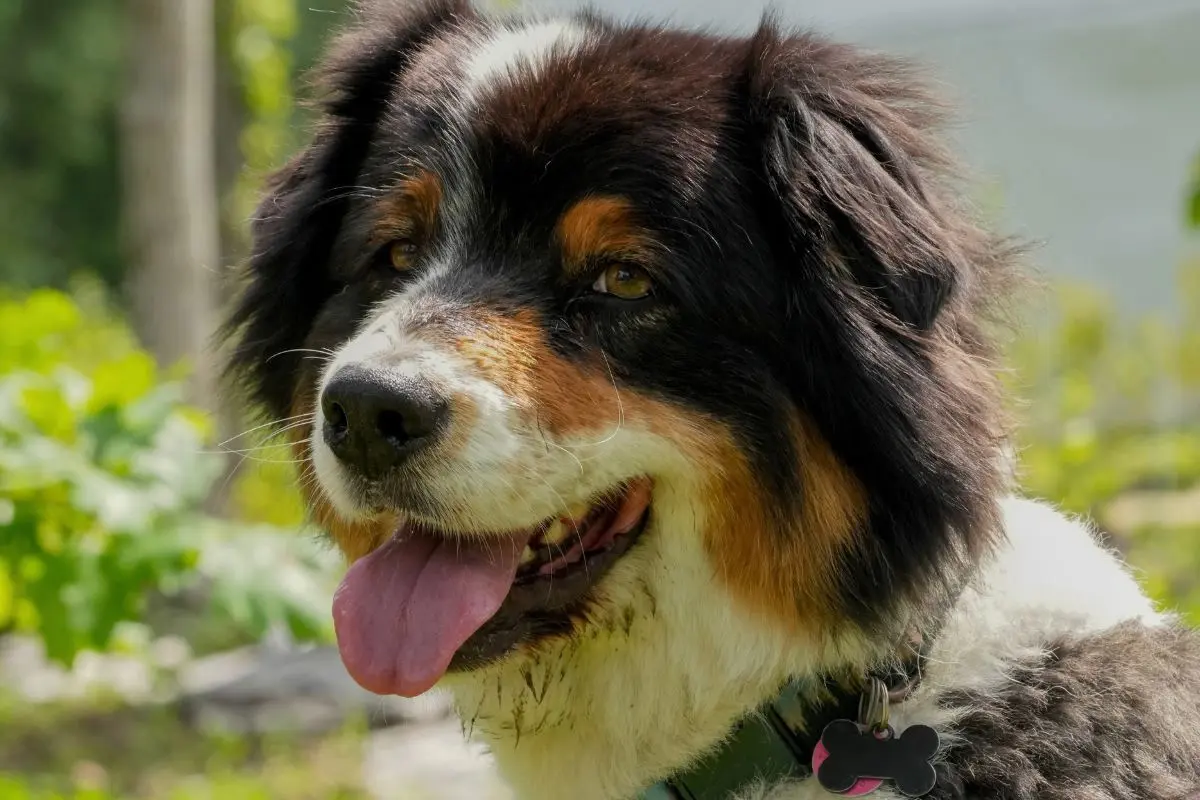
And when harvest time finally arrives, it’s impossible to tell with the naked eye where the precious truffles are hiding. That’s where some rather special team members come in: truffle-hunting dogs. Thanks to their keen sense of smell, Bloom, Taouk, Arno, and Gigi—the team’s four-legged companions—can track down truffles that have reached maturity beneath the soil’s surface. It’s a real treasure hunt!
Quebec Truffles: A Gastronomic Identity All Their Own
What if the Appalachian truffle one day became as emblematic of our region as the black Périgord truffle is for France?
In 2022, researchers at Laval University studied the aromatic composition of the Appalachian truffle grown in Quebec. They identified more than 30 volatile compounds, six of which distinguished it from the other species studied. This scientific discovery attests to the unique character of this local truffle.
But the Appalachian truffle isn’t the only one growing in our region. Hickory truffles, Burgundy truffles, black truffles… Several native and European species are now cultivated in Quebec, each with its own aromas, distinctive characteristics, and harvest season.
Truffes Québec’s goal, therefore, is not to replicate the great European truffles at any cost, but rather to reveal the full richness of our own terroir.
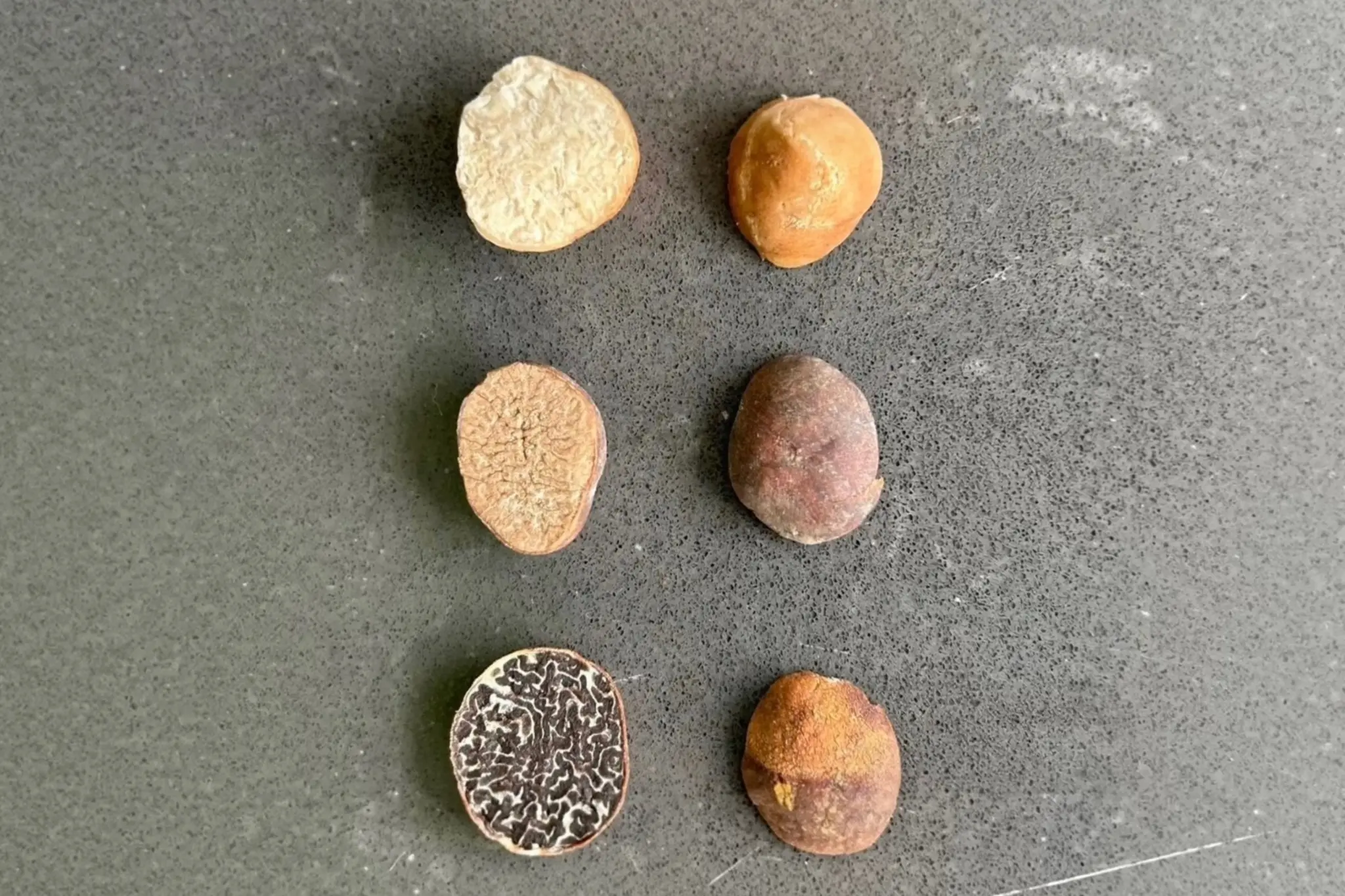
Photo credit: Truffes Québec
However, we must first learn to recognize, describe, and protect this richness. In an international market where the authenticity of truffles is a major concern, Truffes Québec works with an independent laboratory to confirm, through DNA analysis, the identity of the species harvested by its producers.
The company is also working to establish quality standards, ensure product traceability, and develop a common vocabulary to describe the characteristics of different truffles.
Ultimately, Maude hopes to see certain protected designations established, similar to those that have made renowned local products famous elsewhere in the world. Such an approach would help preserve the identity of our truffles and ensure their value is recognized.
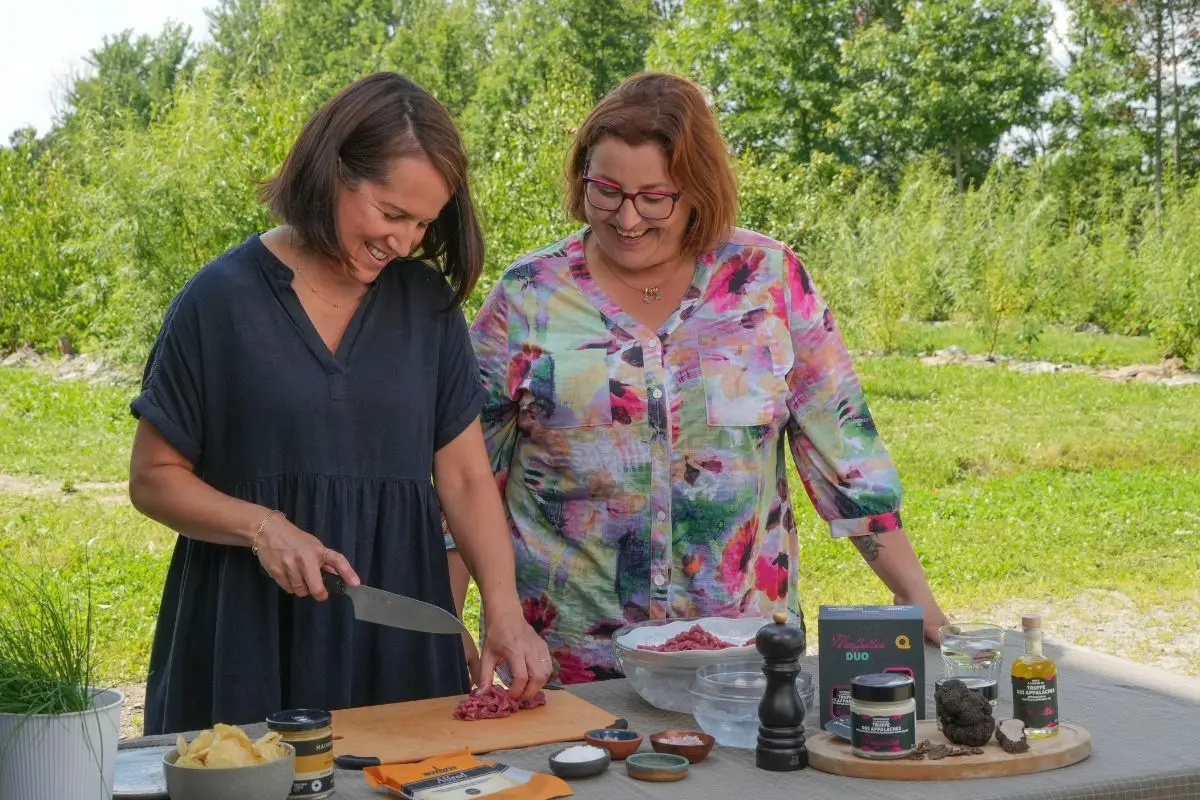
Chefs: Valuable Allies
Maude recalls her early days, when she showed up at Chef Normand Laprise’s door with a large jar full of truffles. He gathered his team to smell the mushrooms, examine them, and explain to her what professionals in the restaurant industry expect.
This kind of exchange is essential to the industry’s growth. Chefs learn to work with the unique characteristics of local truffles, while producers discover how to better meet their needs. One variety might be particularly appealing when grated over a dish just before serving, while another might reveal its best qualities when lightly heated.
The close relationship between producers and restaurateurs also offers a major advantage: freshness. Some truffles keep for only about a week after harvest. Reducing the distance between the truffle farm and the plate therefore makes perfect sense.
Maude aims to foster direct connections between producers and chefs in their region. This is a way to highlight the unique characteristics of each region, but also to allow restaurant owners to get to know the people who grow these exceptional products. The enthusiasm is such that demand currently exceeds supply. And even though interest is already growing outside Quebec, Maude is committed to ensuring that local chefs and consumers are the first to enjoy this treasure.
A Touch of Luxury on Our Everyday Plates
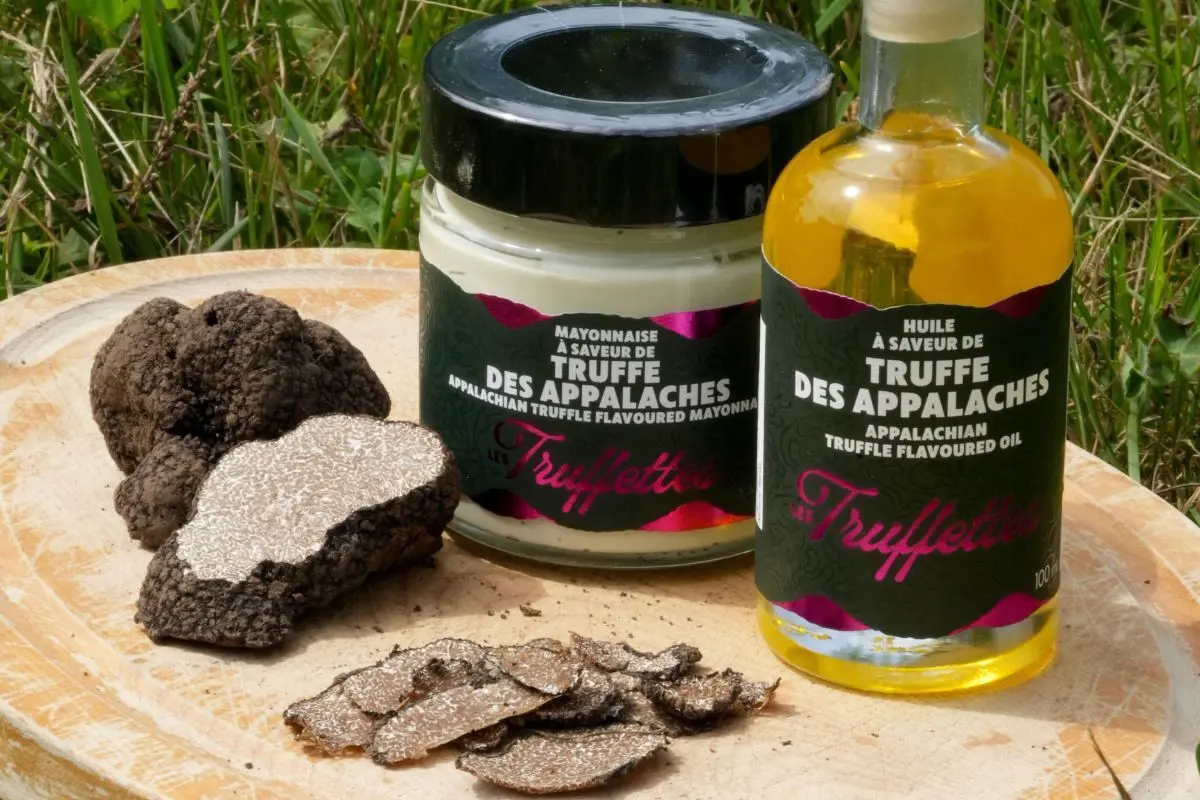
You don’t have to dine at the finest restaurants to discover Quebec truffles!
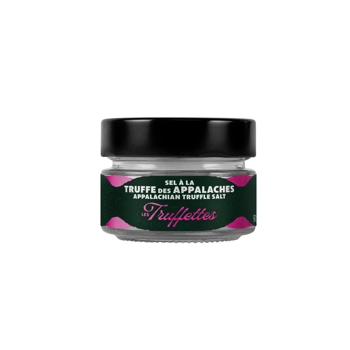
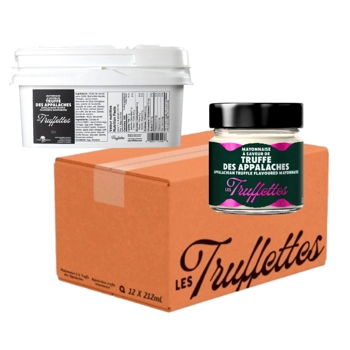
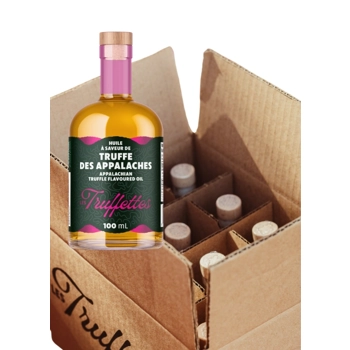
During her trip to Italy, Maude was struck by how simply Italians cooked with truffles. Just a few shavings are enough to transform eggs, pasta, or even plain mashed potatoes. It was in this spirit that Truffes Québec developed its gourmet division, Les Truffettes, which offers products such as truffle oil and truffle mayonnaise.
But processing such a delicate product presents a real scientific challenge. Certain treatments alter the precious aromas of fresh truffles, while artificial flavors—often used in truffle-infused products—can give a very different impression from the mushroom itself.
After several trials, the team worked for two years with Laval University to better understand the aromatic characteristics of its truffles and develop a naturally derived flavor that captures their unique qualities.
Who were the first judges of this innovation? Chefs, some of whom were initially very skeptical about the idea of tasting truffle oil. When Maude saw them start drinking her oil straight from the bottle, she knew she was onto something!
With these products, the company now has a great way to introduce the general public to Quebec truffles. A few drops of oil on scrambled eggs or truffle mayonnaise to go with french fries: there’s no shortage of ways to treat yourself.
Farming Today for Future Generations
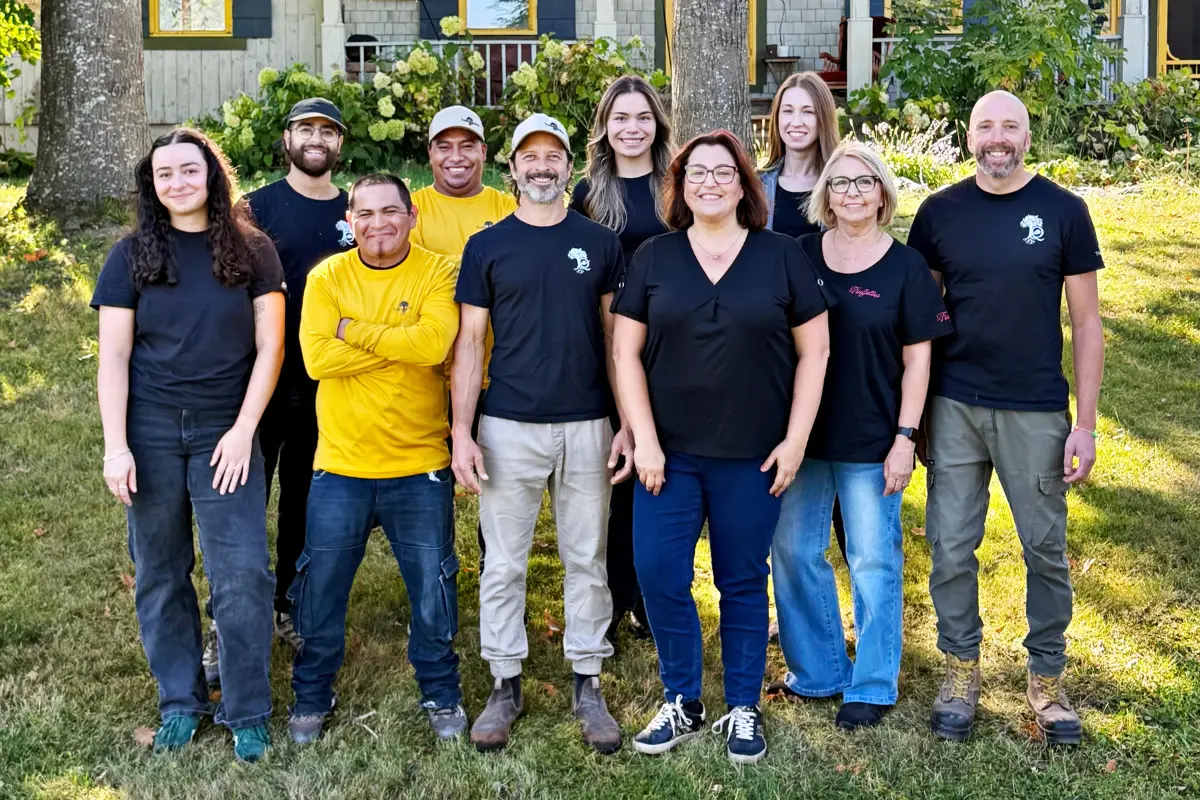
Photo credit : Truffes Québec
A well-maintained truffle farm can produce for several decades. Planting a truffle tree, therefore, is an investment in a future that others will be able to enjoy.
Maude is already dreaming of the day when visitors will travel the roads of Quebec to discover our truffle farms, just as they do today to visit our vineyards and maple groves.
The history of Truffes Québec reminds us that our food self-sufficiency isn’t limited to the items in our everyday grocery basket. It also includes exceptional products—those that enrich our culinary culture, inspire our chefs’ creativity, and give us new reasons to be proud of our region.
After all, behind every new agricultural crop in Quebec, there’s someone who, one day, dared to give it a try.
And to think that, for Maude, it all started with a craving for risotto…
Check it out: In Search of the Diamonds of Our Forests
In this episode of the podcast, Geneviève O’Gleman meets Maude Lemire-Comeau, co-owner of Truffes Québec. A fascinating encounter with passionate individuals who are pushing the boundaries of Quebec agriculture.