Published on September 29, 2026
Signé Caméline: The Little Seed That Changed So Much
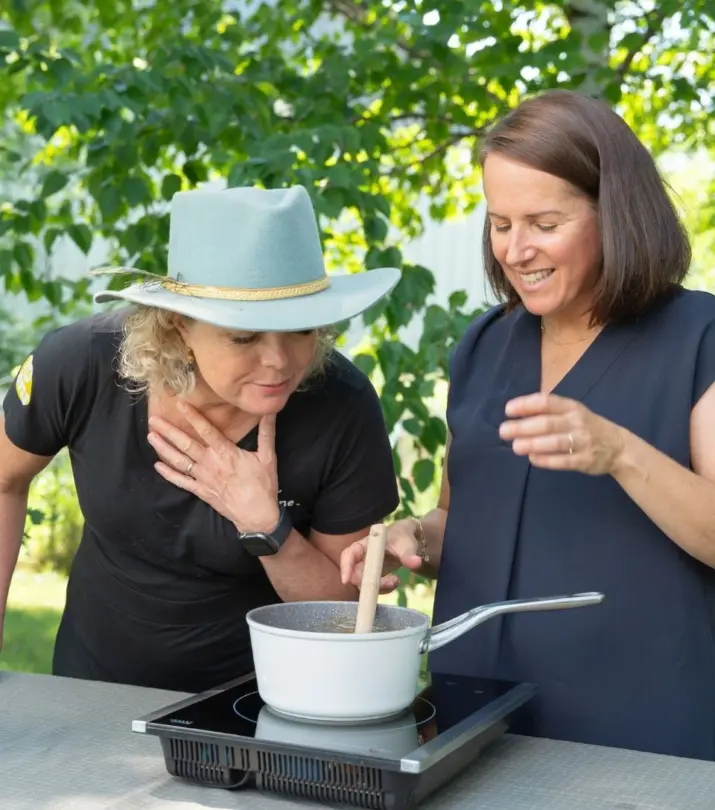
Today, she is known as “Madame Caméline.” And not just in Saint-Édouard. Chantal Van Winden laughs as she recalls being recognized by that nickname at a market on the other side of the world. It is a nickname she wears with great pride.
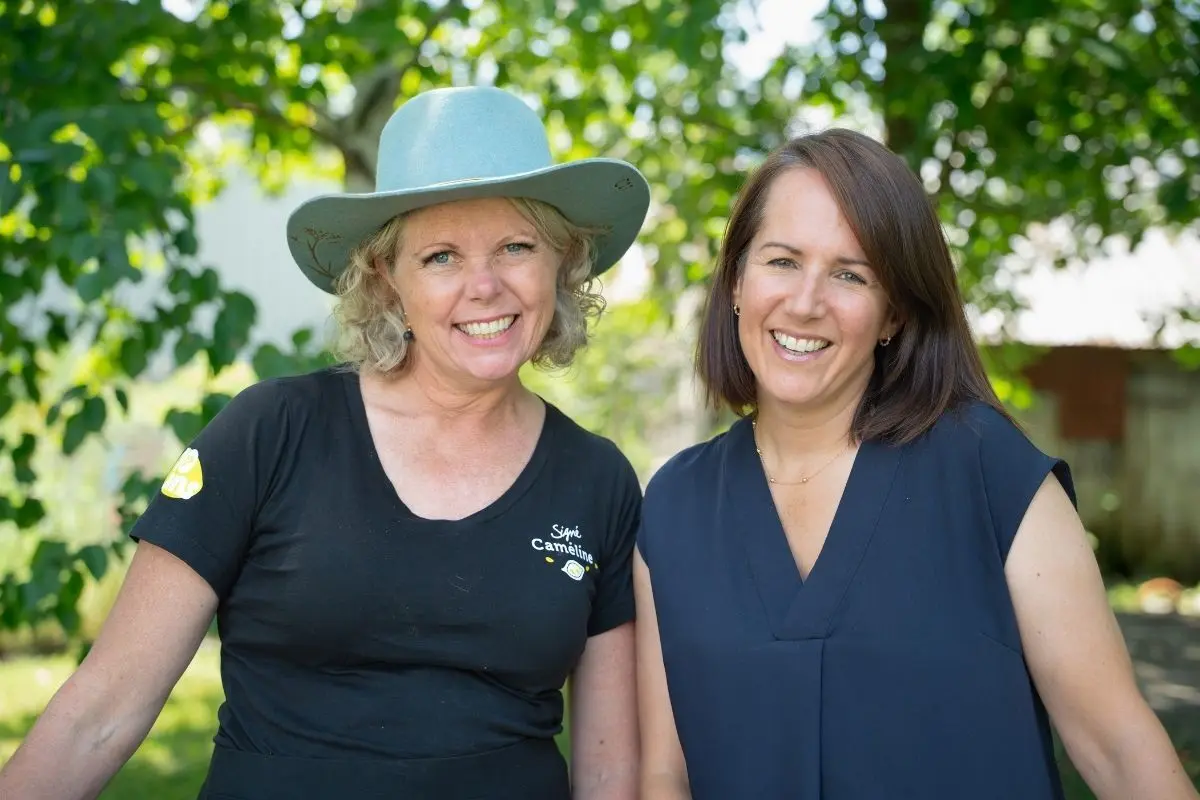
Tall, blonde, talkative, with an easy smile and energy to spare, Chantal is not exactly easy to miss. Then again, she grew up in a family of twelve children. “Life was always busy,” as she puts it, and she knows a thing or two about it.
Trained as a physiotherapist, mother of four, raised in an agricultural family and an entrepreneur at heart, Chantal has always had one common thread: health. How can we take better care of ourselves, eat better and improve our quality of life? This search would eventually lead her back to her agricultural roots and toward a tiny yellow seed that was already growing in her family’s fields.
Camelina.
A northern plant still relatively unknown in Quebec, but one that would change quite a few things in her life. A few years later, Chantal would have left physiotherapy, taken out a mortgage on her home, transformed her garage into her first production facility and sent her oils as far as Europe and Asia.
But to understand how a physiotherapist became “Madame Caméline,” we need to go back a few years.
When Life Changes the Plans
As she approached 40, after fourteen years working as a physiotherapist in a hospital, Chantal began wondering what she wanted to do with the next twenty years of her life.
“I needed challenges. I needed things to move a little faster.”
The desire to return to agriculture was already there. But Chantal also wanted to hold on to what she loved about her profession: her interest in health and nutrition. She simply did not yet know what shape it would take.
Then an event changed everything for the family. Raymond, her partner, was hit by a truck and seriously injured. The years that followed were difficult and, with three young children, work and the farm, the couple eventually decided to put everyday life on hold.
They spent three months travelling in a camper with their daughters, crossing the United States and continuing all the way to Mexico.
“It was the best decision we ever made,” Chantal recalls.
That break helped them find their balance again and gave Chantal the space she needed to think about what would come next. A next chapter that, without her knowing it yet, was already growing in their fields.
A Little Northern Seed Right Under Their Noses
For several years, Raymond had been experimenting with a crop that was still relatively unknown in Quebec: camelina. How did it make its way to their farm? Chantal tells the whole story on the podcast.
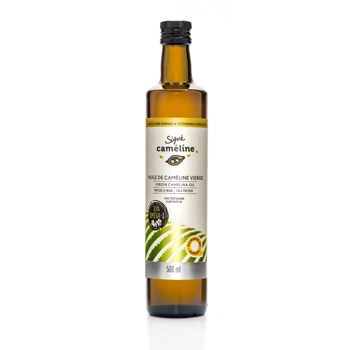
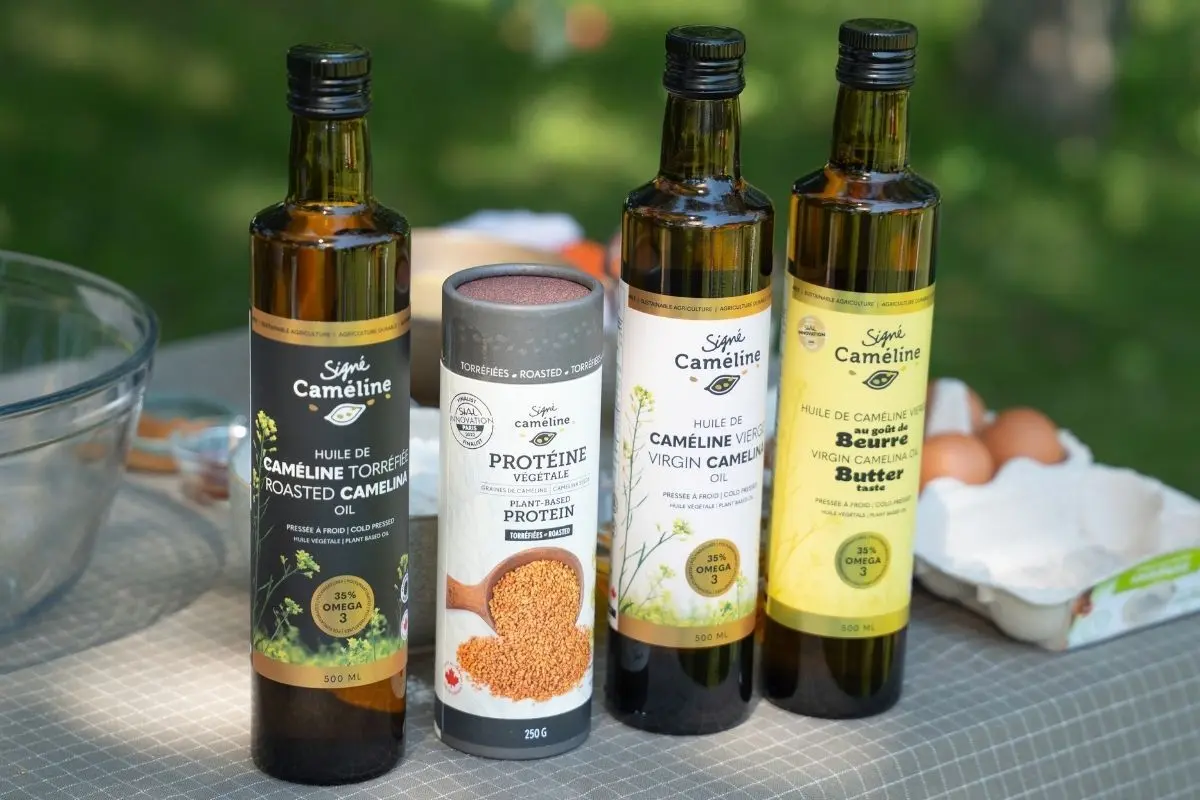
This little oilseed had everything to pique her curiosity. It is a northern plant well suited to cold climates, and it produces a golden oil with a delicate flavour. It is also naturally rich in omega-3s, essential fatty acids that our bodies cannot produce on their own and therefore need to obtain through food.
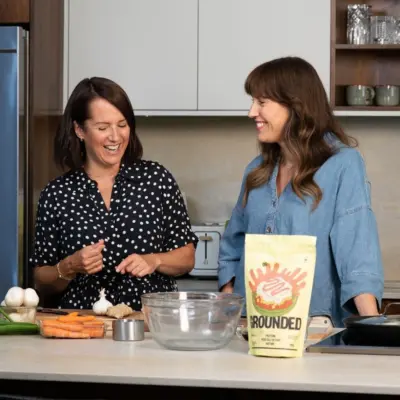
Chantal had actually been interested in omega-3s for some time. Geneviève O’Gleman perfectly sums up the irony of the situation: “You were desperately looking for omega-3s, and for eight years, they were growing in your field.”
Suddenly, several pieces of her life came together: her agricultural roots, her background in health, her interest in food and her desire to become an entrepreneur. What if this little seed from here could become much more than just another crop in their fields?
Taking Out a Mortgage on Her Home for a Little Seed
Chantal decided to find out, and she did not exactly do things halfway.
“I took out a mortgage on my house. I left my career, my profession, my professional order completely behind.”
Production began in the family garage, which was renovated to meet the necessary standards. And as coincidences sometimes have a way of working out, their third neighbour happened to own... an oil press.
Chantal learned, experimented, surrounded herself with people who knew the industry and developed her oil. Then came an order that made her realize her gamble might actually be paying off: an entire pallet for Avril stores.
“That’s when I thought, okay, this product is going to work. We can do this.”
From Saint-Édouard to the Rest of the World
Another thing that sets Chantal apart is her constant desire to ask herself: What if we tried something else?
One day, after roasting camelina seeds, she decided to put them through the press to see what would happen.
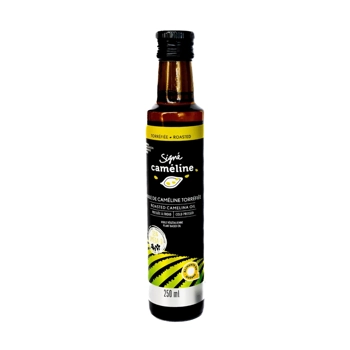
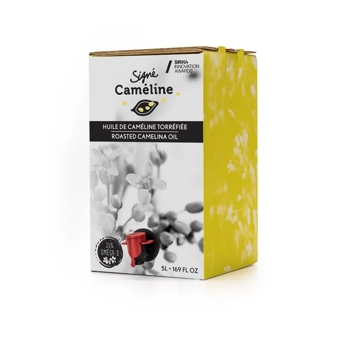
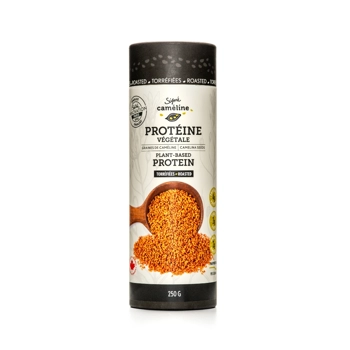
With its roasted hazelnut and peanut aromas, this oil would become one of Signé Caméline’s signature innovations. It won the top prize at SIRHA Innovation in Lyon in 2023, the first time a Canadian product had received the honour!
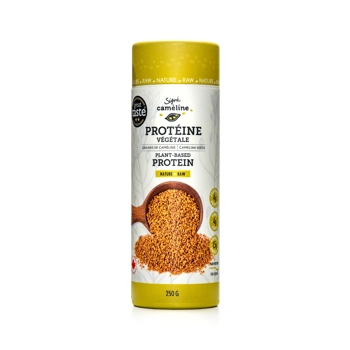
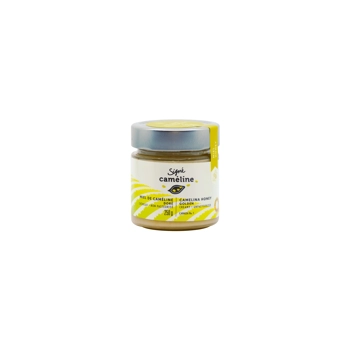
Experimentation has continued in all kinds of forms: oils, seeds, butter-flavoured oil and even a shoyu made from camelina press cake, the material left after pressing, and local yellow peas fermented for twelve months in Quebec.
Over the course of about a decade, the project that began in the family garage has also expanded well beyond the Montérégie region. A trade mission to Japan led to a first order just a few weeks later. The products have since made their way to France, Korea and other markets, while Saint-Édouard camelina has caught the attention of chefs around the world.
And perhaps that is what makes this success story particularly satisfying: this entire journey is built around a plant that is well suited to our climate, grown in Quebec and transformed in Saint-Édouard.
When we think back to the physiotherapist who, just a few years earlier, was still wondering what she would do with the next twenty years of her life, the story comes full circle in a beautiful way.
Chantal did not invent camelina. She simply saw the potential in a little seed that was already growing here and decided to introduce it to people far beyond her own fields.
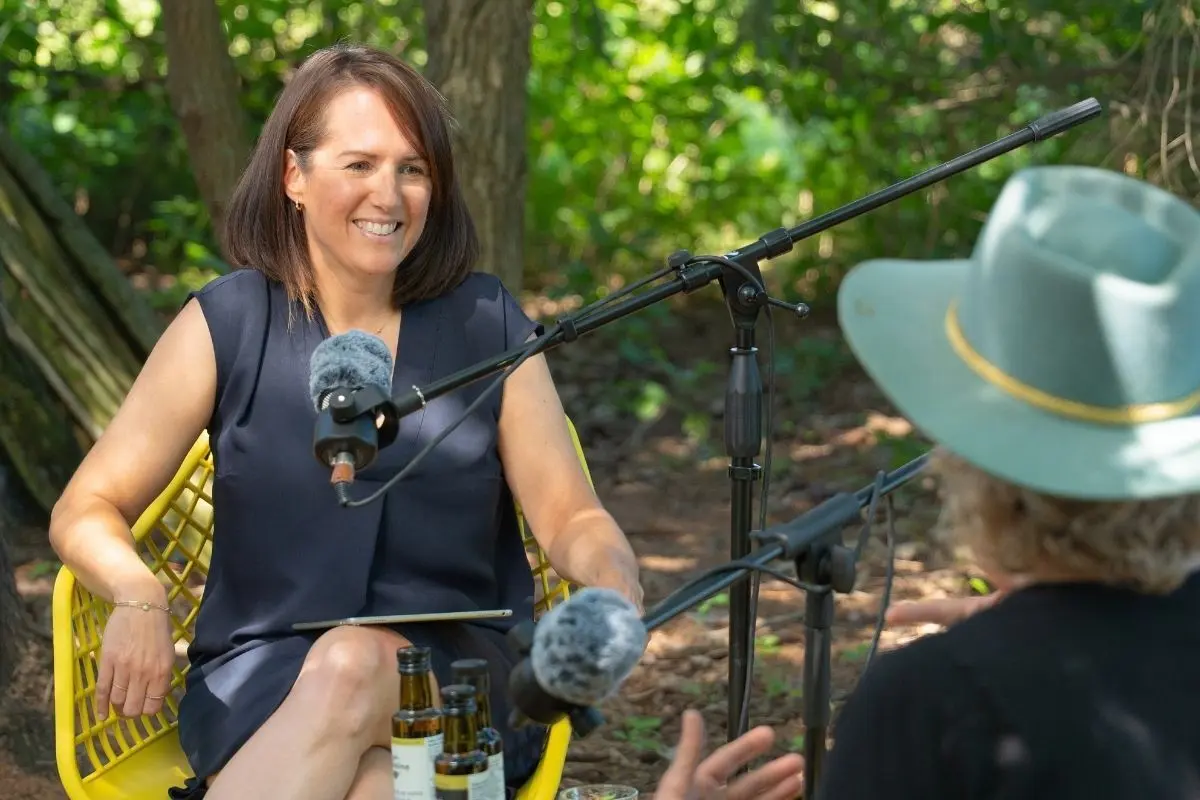
To hear Chantal tell her own story and share the beginnings of Signé Caméline, listen to the full podcast episode with Geneviève O’Gleman.