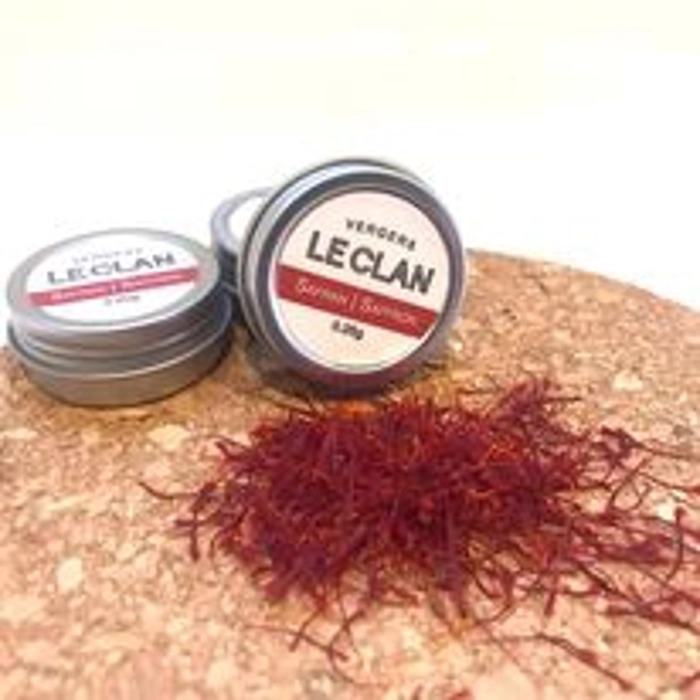
To use saffron properly and allow it to release all its aromas, it must be infused in advance in a liquid (rehydrate the whole filaments, finely cut or ideally crushed in a mortar), depending on the r...
To use saffron properly and allow it to release all its aromas, it must be infused in advance in a liquid (rehydrate the whole filaments, finely cut or ideally crushed in a mortar), depending on the recipe (hot water, cream, milk, lemon juice, wine, broth, fruit juice or any other liquid except oil). Very little saffron in pistils is enough to perfume and color your dishes. You can count from 3 to 6 filaments per person in sweet or savory dishes. Average doses commonly used: 1 pistil = 3 stigmas (3 filaments). 0,1 g = +/- 60 filaments = 4 to 6 people. The culture of the saffron: Saffron is a perennial plant with inverted vegetation. The flower of saffron blooms in autumn to then grow, develop its foliage and reproduce until the end of spring. The saffron bulb then goes dormant for the whole summer. In Quebec, the flowering starts in October and extends over a period of 4 to 6 weeks. The first flowers come out when the night temperatures are cooler (8°C and less). The harvest will increase over the years as the bulbs multiply each year. The saffron flowers are picked by hand daily. The steps related to harvesting, pruning and drying must be done the same day the flowers are picked, because they bloom on average for only 48 hours.
Delightful desserts featuring local ingredients at these restaurants
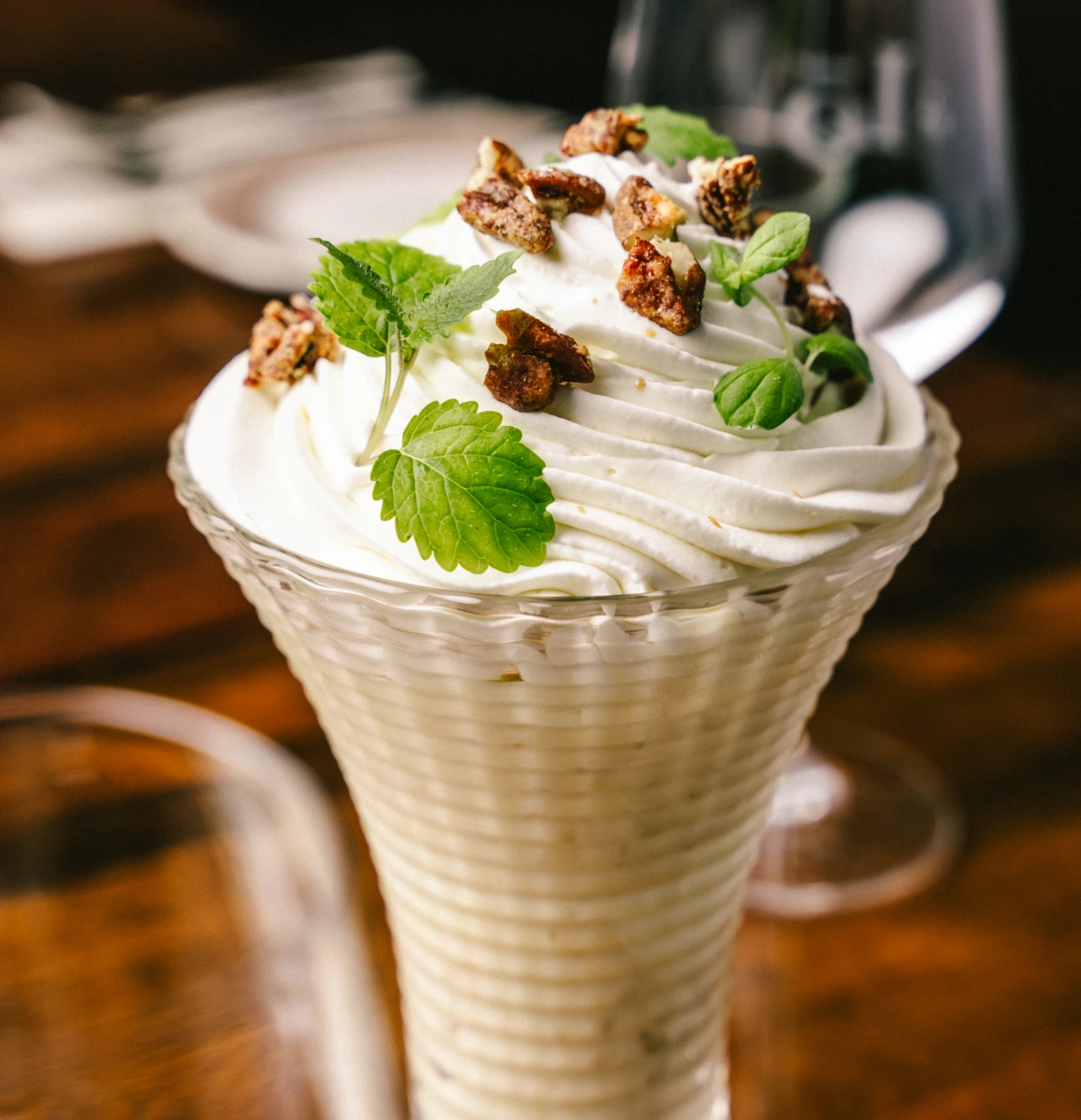
Looking to discover desserts that combine originality with local ingredients? Across Québec, about twenty restaurants—proud members of the Aliments du Québec au menu program—are offering irresistible creations. From deconstructed cakes to reinvented classics, featuring terroir ingredients such as maple, sea buckthorn, serviceberries, lingonberries, and even milkcap mushrooms, each dessert is an invitation to savor the very best Québec has to offer. Indulge in these local treats—bold, creative, and delicious!
The desserts featured in this article may vary depending on the season and the chefs’ inspiration.